


 Brasil
 Canada
 United Kingdom
 Australia
 Netherlands
 France
 España
 Italia
 السعودية
5 lightweight squash racquets for quick volleys and fast reactions at the T
Squash racquets from 90 to 120 g unstrung, with balance and head size explained, and what changes in the volley, in defense and in your arm when you take weight off.
Updated on 10/07/2026
On this page
Lightweight squash racquets, from 90 to 120 g unstrung, get to the ball sooner, make the volley at the T faster and tire your arm less in long matches. In return, they have less mass to block a heavy ball at the back. These are the 5 best lightweight squash racquets available from stores, each with a different way of making up for the lack of weight.
The 5 best lightweight squash racquets
- 1
- Weight
- 120 g
- Head
- 77.5 in²
- Strings
- 14x18
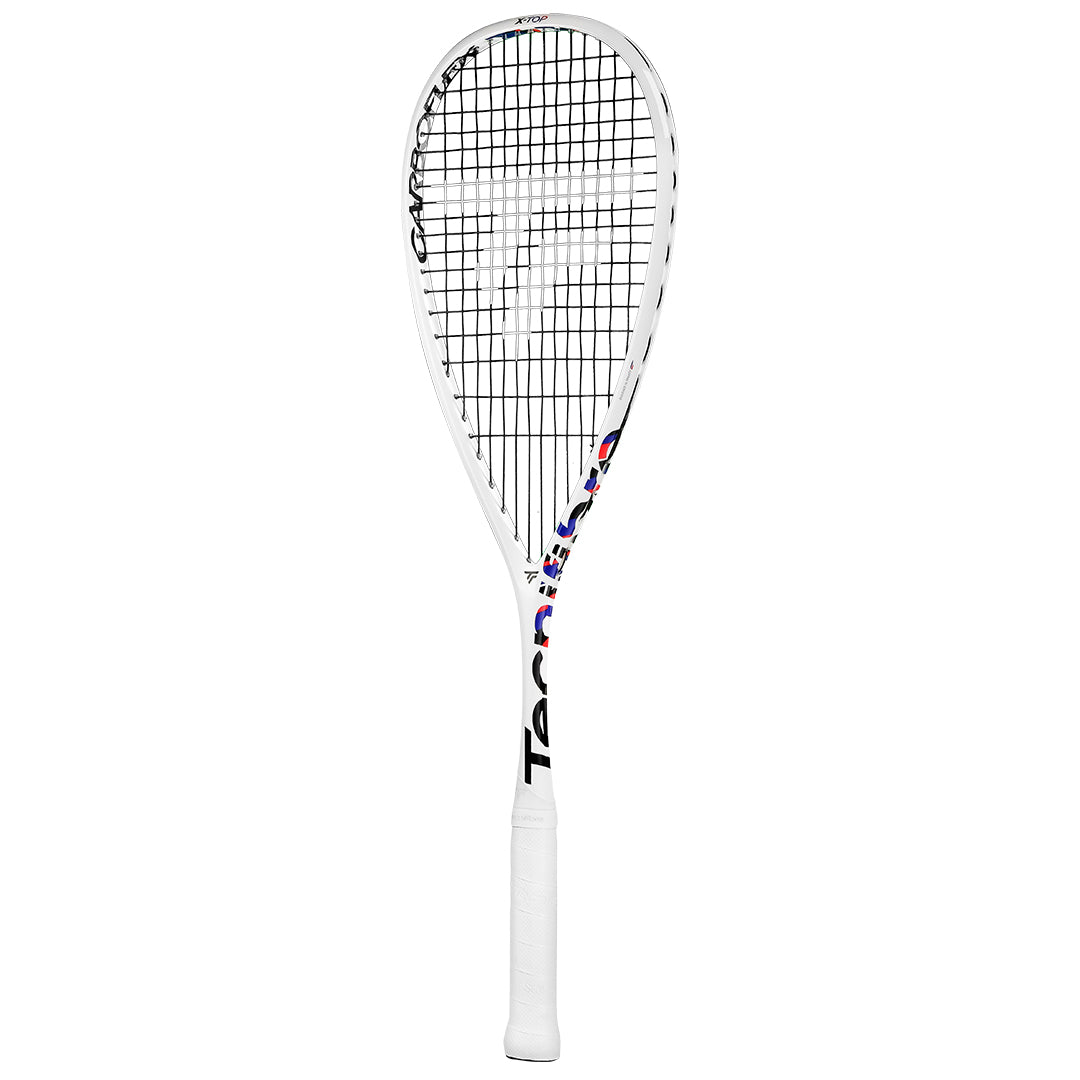
120 g, a 500 cm² head and an even 350 mm balance point. The X-Top tip swaps the bumper for aramid fibers with PTFE, and the widened holes loosen up the stringing. Comes with Dynamix VP.
- 2
- Weight
- 115 g
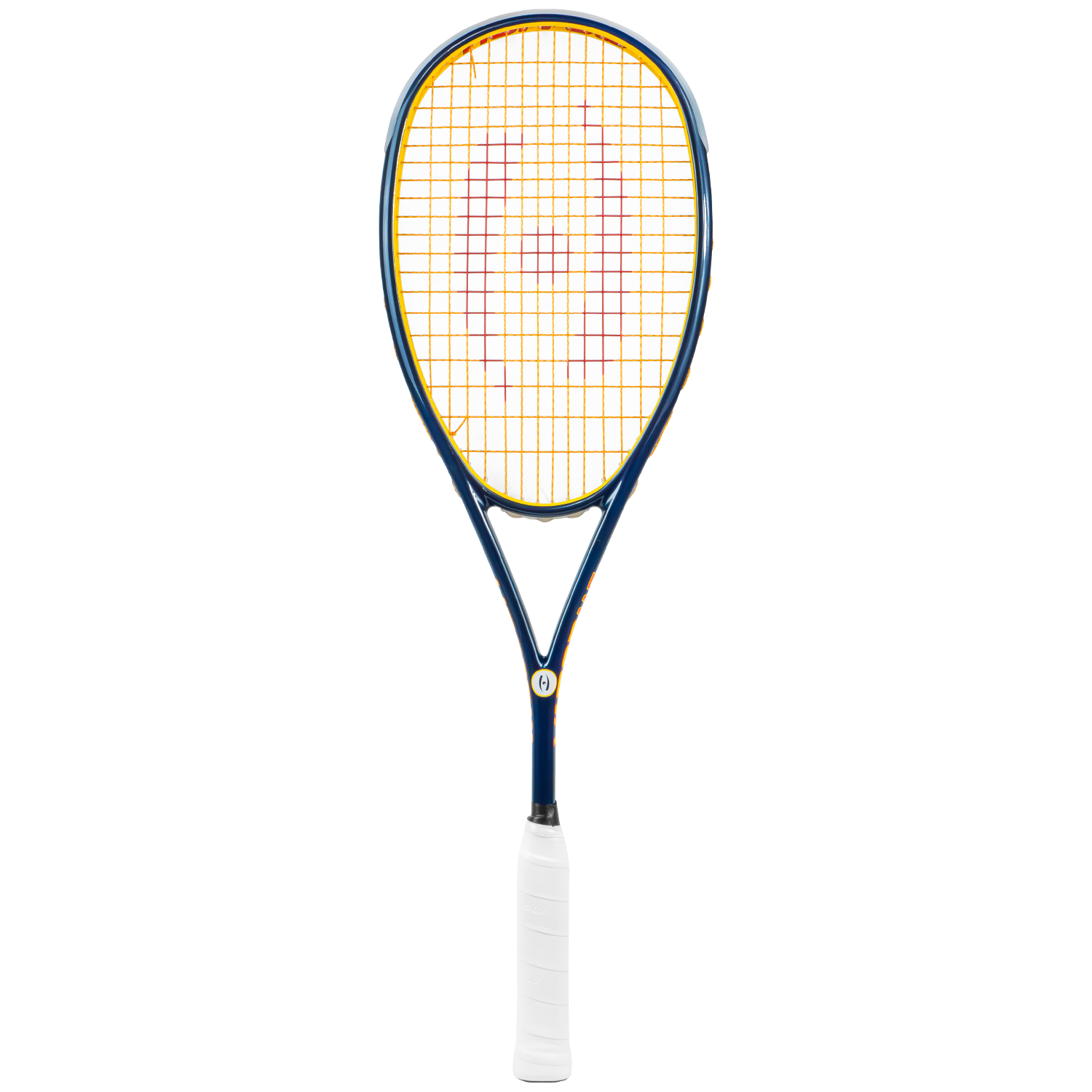
115 g unstrung and 140 g strung, a 380 mm head-heavy balance point and an open throat. Comes with Barrage Pro at 28 lb. The mass at the top returns the power that the low weight takes away.
- 3
- Weight
- 90 g
- Head
- 70.5 in²
- Strings
- 14x19
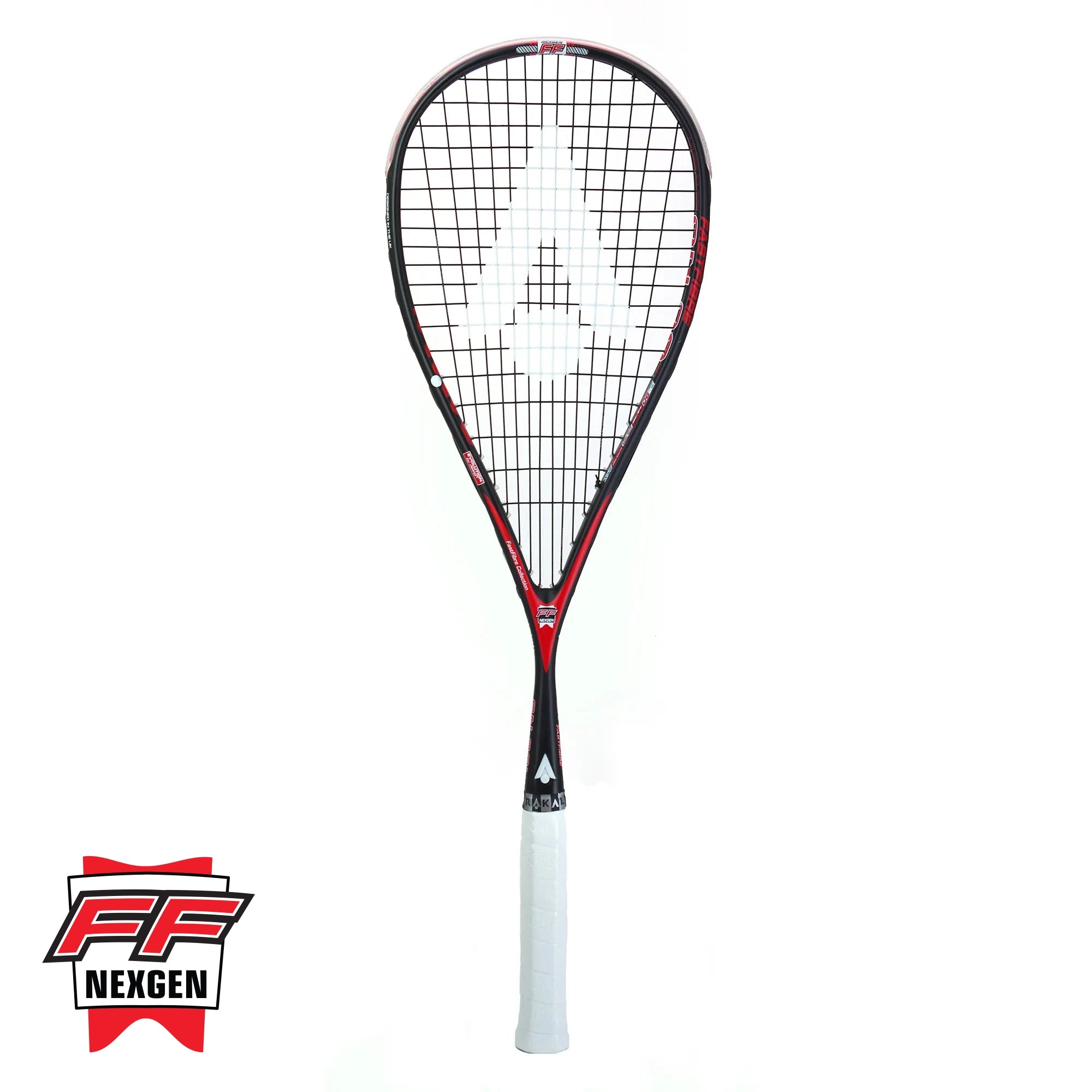
Only 90 g of frame, presented by Karakal as the lightest squash racquet in the world. 365 mm head-heavy balance point, a 455 cm² head, a 14x19 fan pattern and a tapered frame from 18 to 16 mm.




The five side by side
| Racquet | Unstrung weight | Balance | Head | Pattern |
|---|---|---|---|---|
| Dunlop FX 115 (2024) | 115 g | Head-light | 500 cm² (77.5 in²) | 14x18 |
| Tecnifibre Carboflex 120 X-Top V2 | 120 g | Even, 350 mm | 500 cm² (77.5 in²) | 14x18 |
| Head Radical 120 SB (2024) | 120 g | Even | 475 cm² (73.6 in²) | 14x17 or 18x17 |
| Harrow Vapor 115 (2023) | 115 g | Head-heavy, 380 mm | not listed | not listed |
| Karakal SN-90FF 2.1 | 90 g | Head-heavy, 365 mm | 455 cm² (70.5 in²) | 14x19 |
The table shows the main point of this guide: low weight doesn't always mean the same feel. The FX 115 takes away weight and also takes mass out of the top; the Vapor 115 and the SN-90FF take away weight but leave the head heavy so as not to lose ball. On the court, they are very different racquets.
What changes when you take weight off a squash racquet
Squash is played in an enclosed space, with the ball coming back off the front wall at short angles. A large share of strokes happen with little time to prepare: the volley at the T, the ball coming back from the corner after a boast, the defense of a ball attacked at your body. That is where the light racquet wins.
- Volley at the T. At 115 or 120 g, the racquet rises faster to cut the ball off before it reaches the back. It is the clearest advantage.
- Balls hugging the side wall. A thin frame, like the Radical 120 SB's, and low weight help you dig the ball out right along the wall without scraping the frame.
- Late in the match. In five-game matches, a few grams less make a difference in the arm and shoulder.
And what you lose:
- Stability at the back. When your opponent sends a heavy drive to the back corner, the light racquet has less mass to absorb the impact. The ball comes out shorter if you don't complete the swing.
- "Free" power. A 130 or 135 g racquet pushes the ball with less effort. At 115 g, the ball speed comes almost entirely from your swing.
The general rule on weight and balance ranges is in the guide to how to choose a squash racquet. Here the focus is on choosing among the light ones.
Each light racquet, and who it's for
Dunlop FX 115 (2024): the easiest to play among the light ones
The FX 115 is the safest choice because it combines two rare things in a 115 g racquet: a 500 cm² head, the maximum allowed by the rules, and an extra head-light balance. The large area makes up for some of the instability on off-center hits, and the Sonic Core Infinergy at the 2 and 10 o'clock positions, with the Flex Touch resin, helps with comfort. It is the racquet for players who play at a high tempo, live on the volley and attack at the front of the court.
One point to note: it is the 2024 generation, replaced by the FX 115 2026. For those buying now, the advantage is finding the previous version available from stores.
Strengths
- + 115 g with a 500 cm² head, a rare combination of lightness and forgiveness
- + Head-light balance makes the volley very fast
- + Sonic Core and Flex Touch for comfort
Drawbacks
- − Little mass against heavy balls at the back
- − Previous generation, already replaced by the FX 115 2026
Tecnifibre Carboflex 120 X-Top V2: light without giving up balance
The Carboflex 120 is the lightest version of the family that leads the ranking of the best squash racquets. It keeps the 500 cm² head and the even 350 mm balance point, so it has more presence at the top than the FX 115. The X-Top swaps the plastic bumper for aramid fibers with PTFE, which makes the frame more aerodynamic, and the widened holes loosen up the stringing for more pop. With no bumper, the top calls for care on hits against the floor and the wall.
Head Radical 120 SB (2024): for players who want lightness and precision
The Radical 120 SB was Amanda Sobhy's racquet. It is the most technical on this list: a 475 cm² head, smaller than the others, and the thin Slimbody frame, which makes it easier to play balls hugging the wall. The AFP pattern lets you string 14x17 for more pop or 18x17 for more control. The Auxetic 2.0 and graphene improve the feel at impact. It is the best of the light ones for drops and short touches, but it demands contact in the center.
Harrow Vapor 115 (2023): light on the arm, heavy at the top
The Vapor is Harrow's best-selling racquet, according to the brand. The 115 version has 115 g unstrung and 140 g strung, with a 380 mm balance point, well toward the head, and an open throat. The mass concentrated at the top returns the power that the total weight takes away. That is why it appeals to advanced players who want a fast racquet that still carries the ball to the back. The head-heavy balance can weigh on the wrist of players just starting out.
Karakal SN-90FF 2.1: the extreme of lightness
At 90 g of frame, it is the lightest racquet in the catalog. Karakal compensates with a 365 mm head-heavy balance point, NEXGEN Fast Fibre graphite, which returns to shape 15% faster after impact according to the brand, and the Groove Power system. The 455 cm² head and the 14x19 fan pattern demand precision. It is for experienced players who want maximum speed and know they will lose stability against hard-hit balls.
Three ways to be light: head-light, even and head-heavy
Highlighted: what differs between the racquets. In bold: the best value in the row.
Which light racquet to pick if you...
- play at a high tempo, live on the volley and want forgiveness: Dunlop FX 115.
- want lightness, but miss the weight behind the ball on head-light racquets: Tecnifibre Carboflex 120 X-Top V2, with an even balance.
- win points with drops and balls hugging the wall: Head Radical 120 SB.
- want a light racquet that still pushes the ball to the back: Harrow Vapor 115.
- are advanced and want the least weight possible: Karakal SN-90FF 2.1.
- are just starting: none on this list. Beginners usually do better with 120 to 140 g and a large head; see the squash racquets for beginners.
Who shouldn't go for a light racquet
A light racquet is not an automatic upgrade. It usually makes the game worse for players who:
- Still don't complete the swing. With no mass in the racquet, the ball only reaches the back if the stroke is full. Players who shorten the motion see their drives dying mid-court.
- Defend a lot from the back against strong opponents. The light racquet shakes more on the impact of a heavy ball.
- Often hit the frame against the wall and the floor. Light racquets without a bumper, like the Carboflex X-Top, call for care with the top.
If you recognize yourself in any of these points, the 125 to 130 g range, discussed in the guide for intermediate players, tends to be the best balance.
How to adapt to a lighter racquet
Players who switch from a 130 or 135 g racquet to a 115 or 120 g one usually find it strange in the first few weeks:
- The timing changes. The racquet arrives sooner. In the first matches it is common to hit too early and send the ball crosscourt by accident.
- The swing has to be full. Without mass, a short stroke loses depth. Practice drives to the back wall before playing for points.
- The string weighs more in the feel. On a light racquet, high tension makes the ball come out even shorter. The guide to squash racquet string and tension shows how to adjust.
- Give it three or four weeks before judging. The first impression of "lack of ball" fades as your swing adapts.
Other lightweight squash racquets available from stores
More light options, from 110 to 120 g







- Weight
- 120 g
- Head
- 75.5 in²
- Strings
- 14x18
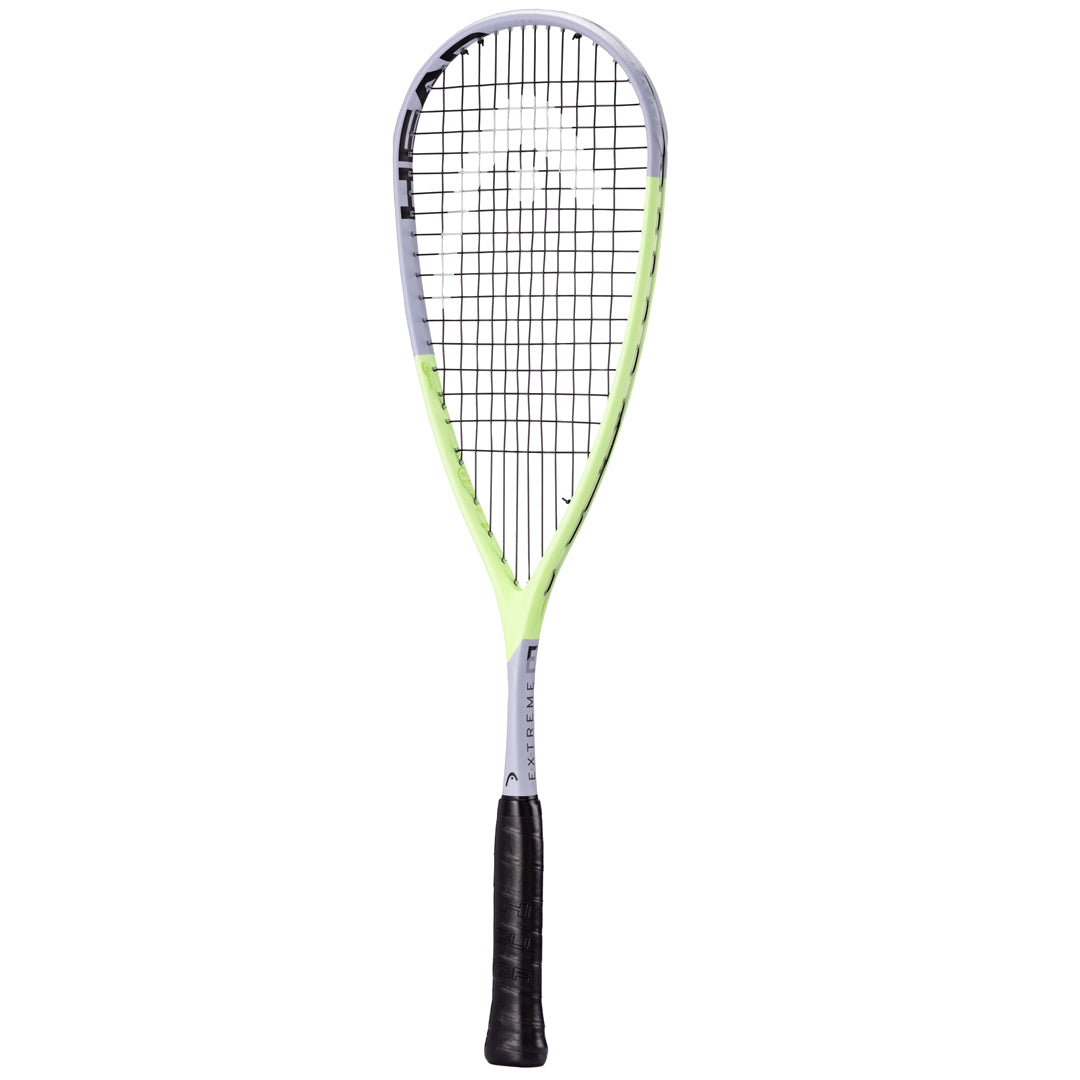

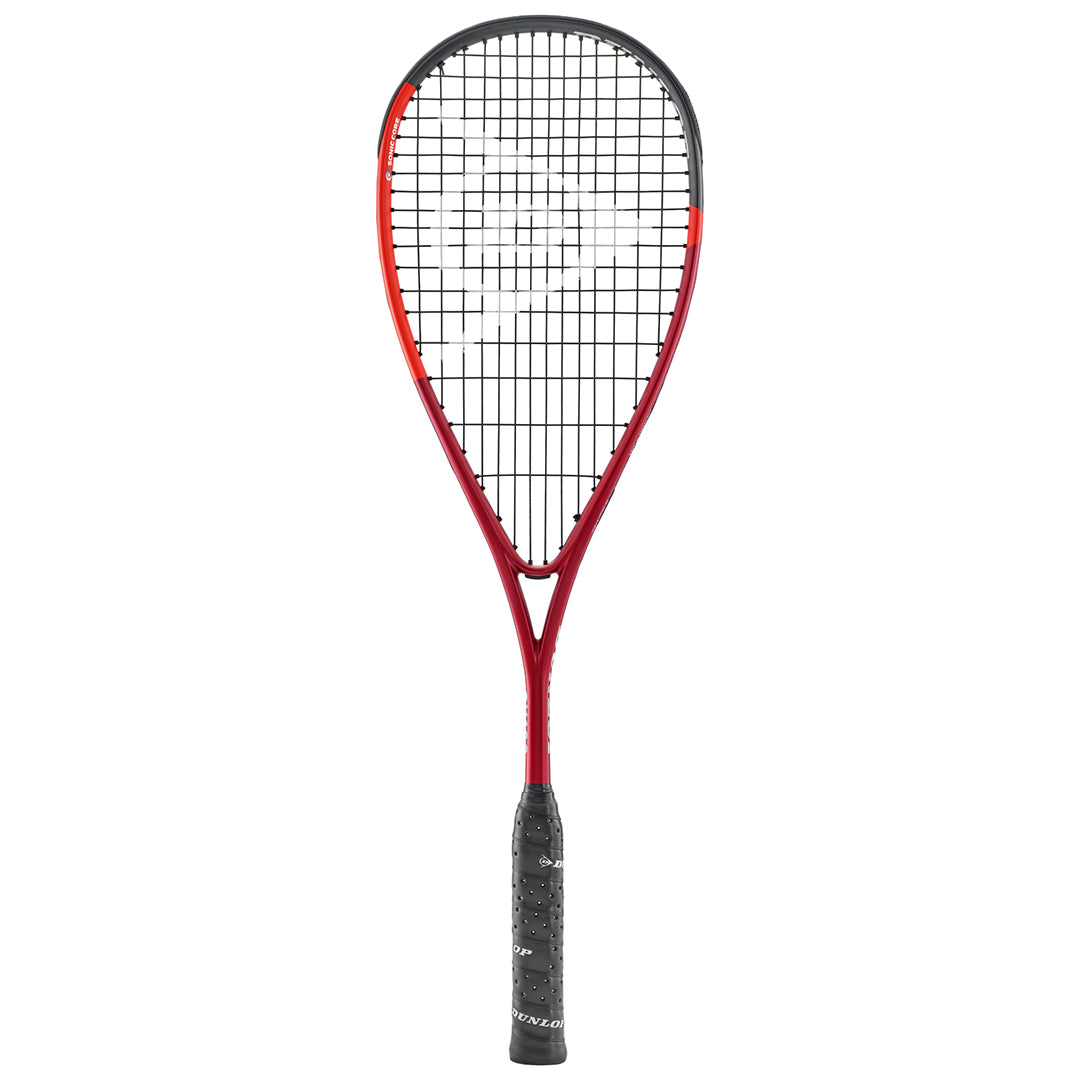
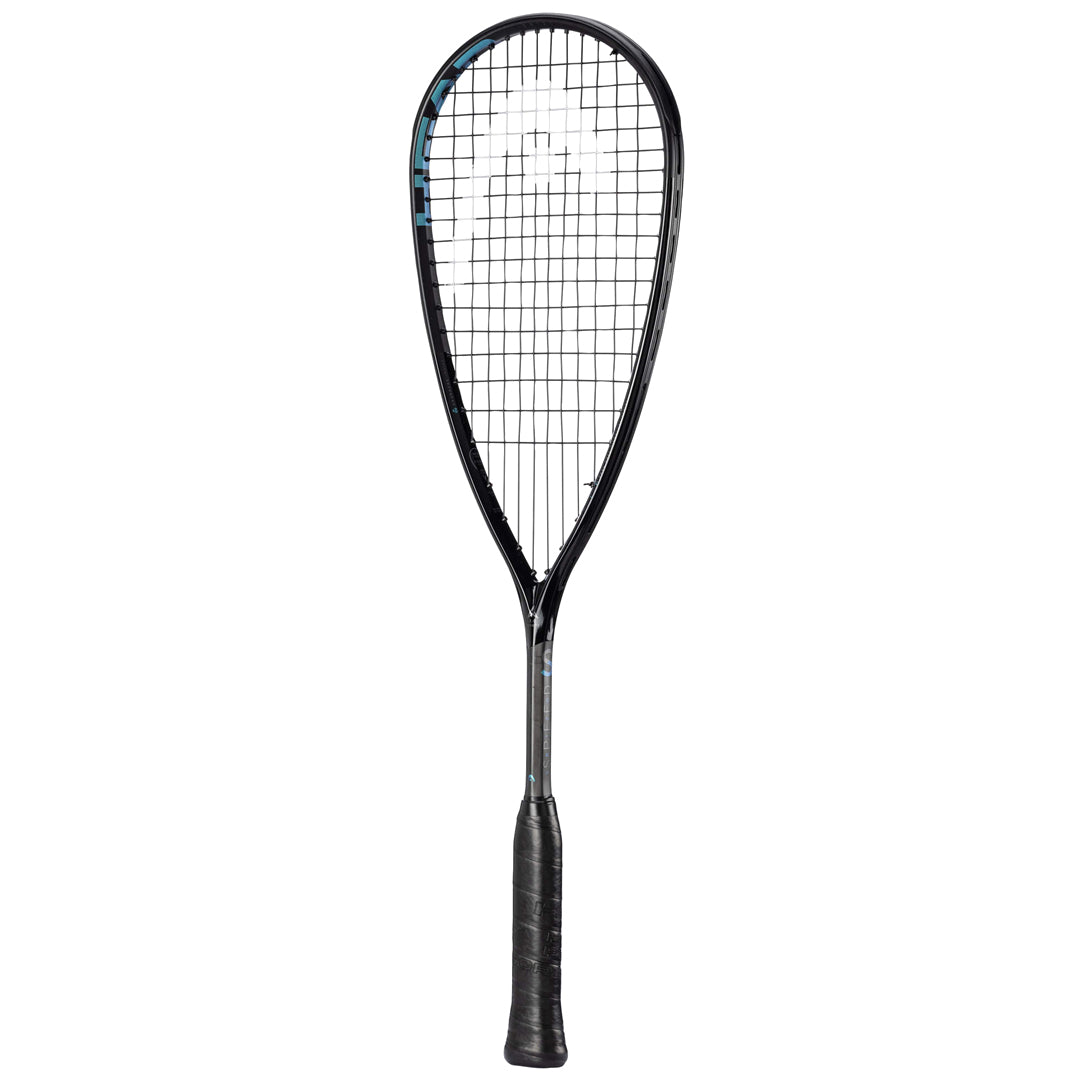
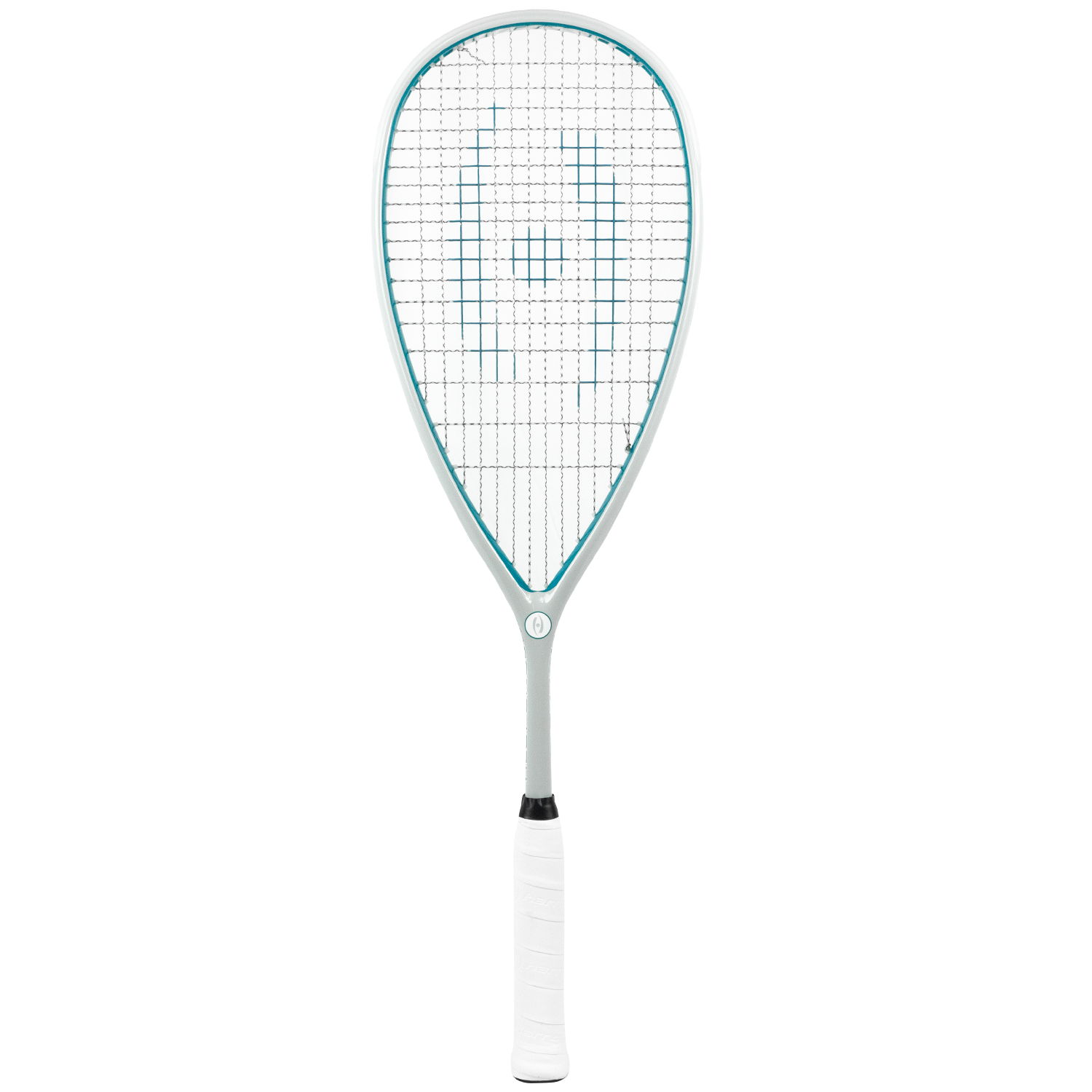
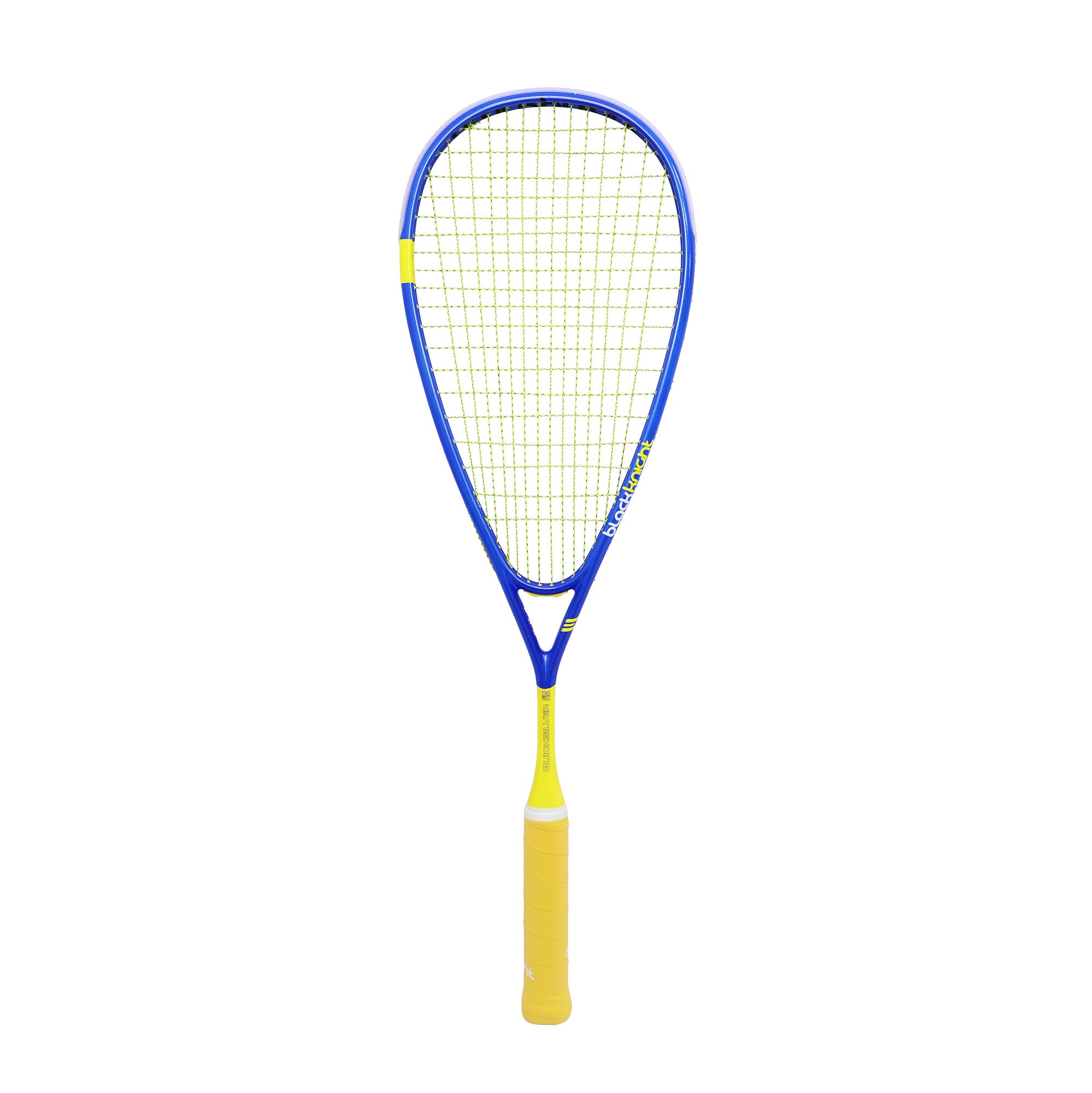
The Karakal Raw Pro Lite 2.1 has 110 g, a 355 mm balance point and the oval handle of Joel Makin's line. The Dunlop CX 120 has a 490 cm² hybrid head and elongated main strings. The Head Speed 120 SB combines 120 g, 500 cm², even balance and a 16 mm frame. The Perfly Power 115 has a 355 mm balance point slightly toward the head and an elongated 470 cm² head. The Harrow Response 115 is even-balanced, with a closed throat. The Head Extreme 120 is Head's entry-level option among the light ones, with a head-heavy balance and a 12x17 pattern.
What is the ideal weight for a lightweight squash racquet?
Between 110 and 120 g unstrung is the most widely used light range. Below that, like the 90 g of the Karakal SN-90FF 2.1, the racquet gets very fast but loses stability. Remember that the string, grip and bumper add something like 20 to 35 g: the Harrow Vapor 115 has 115 g unstrung and 140 g strung.
Does a lightweight squash racquet have less power?
It has less effortless power, because it has less mass to push the ball. But a light racquet allows a faster swing, and many compensate with head-heavy balance, like the Harrow Vapor 115 and the Karakal SN-90FF 2.1.
Is a lightweight squash racquet good for a beginner?
Usually not. Beginners don't yet complete the swing and benefit from a little more weight and a large head, in the 120 to 140 g range. Very light racquets are designed for players who already have technique.
What is the lightest squash racquet on the market?
In our catalog, the Karakal SN-90FF 2.1, with 90 g of frame. Karakal presents it as the lightest squash racquet in the world.
To see all racquets by weight, use the squash catalog, compare spec sheets in the squash comparison tool or take Find Your Racquet. Players who like the FX line will find the other weights on the Dunlop squash page.
Where to buy the racquets in this guide
- Carboflex 120 X-Top V2 Tecnifibre120 g · 77.5 in² · 14x18See priceSquashGear.com
- See priceAmazon
- SN-90FF 2.1 Karakal90 g · 70.5 in² · 14x19See priceSquashGear.com
- CX 120 2025 Dunlop120 g · 76 in² · 14x18See priceAmazon
- Speed 120 SB 2025 HEAD120 g · 77.5 in² · 12x17See priceSquashGear.com
- See priceSquashGear.com
- Quicksilver Echo 2025 Black Knight120 g · 75.5 in² · 14x18See priceSquashGear.com
- Extreme 120 2025 HEAD120 g · 76.7 in² · 12x17See priceHEAD
The prices above are checked automatically at each store and may have changed since the last check. The price that counts is the one shown on the store's website at checkout. We may earn a commission on purchases made through store links, at no extra cost to you.