


 Brasil
 Canada
 United Kingdom
 Australia
 Netherlands
 France
 España
 Italia
 السعودية
7 lightweight badminton rackets for doubles: net, defense and drive
4U and 5U head-light or even-balance rackets for doubles players, with the right pick for the net, for rotating and for those just starting out.
Updated on 10/07/2026
On this page
- 1.Why lightness matters so much in doubles
- 2.Which setup suits your position
- 3.The rackets by player profile
- 4.Mixed doubles: each player's racket
- 5.When a light racket gets in the way
- 6.How to test a light racket before deciding
- 7.Strings and tension on a light racket
- 8.Other lightweight doubles rackets worth a look
In doubles, the player who wins the point is almost always the one who gets the racket ready first. That is why the best lightweight badminton rackets for doubles are 4U or 5U, with a head-light or even balance: they come out of defense quickly, win the drive exchange and reach the short shuttle at the net first. Below are the 7 we recommend among those available from stores.
The 7 best lightweight badminton rackets for doubles
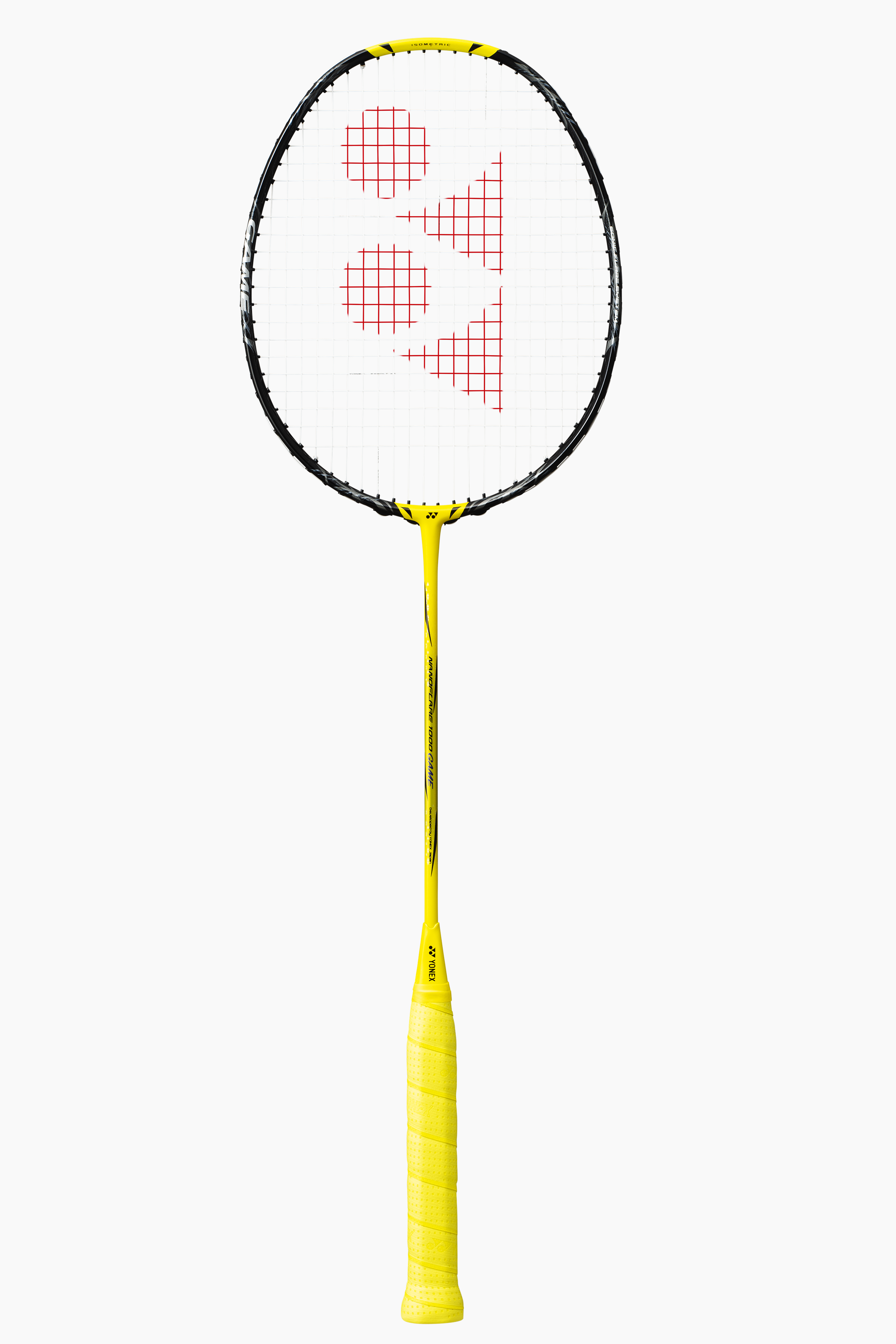
- 1
- Weight class
- 4U
- Balance point
- Lighter head
- Flexibility
- Medium
Same aerodynamic design as the 1000Z, with the Sonic Flare System and a medium shaft. Very fast in drive exchanges and on defense near the net. Comes strung.
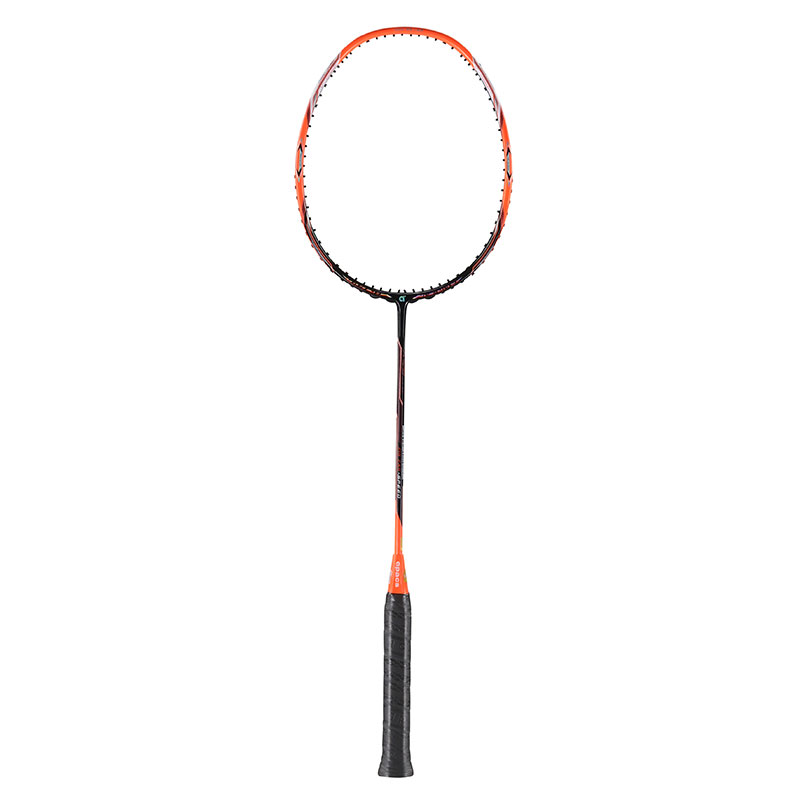
- 2
- Weight class
- 4U
- Balance point
- Even balance
- Flexibility
- Flexible
Compact Slim head frame, smaller and thinner, a 285 mm balance point and a 6.9 mm flexible shaft. Weighs 84 g (±2 g) and accepts up to 35 lbs. Built to react in short exchanges at the front of the court.
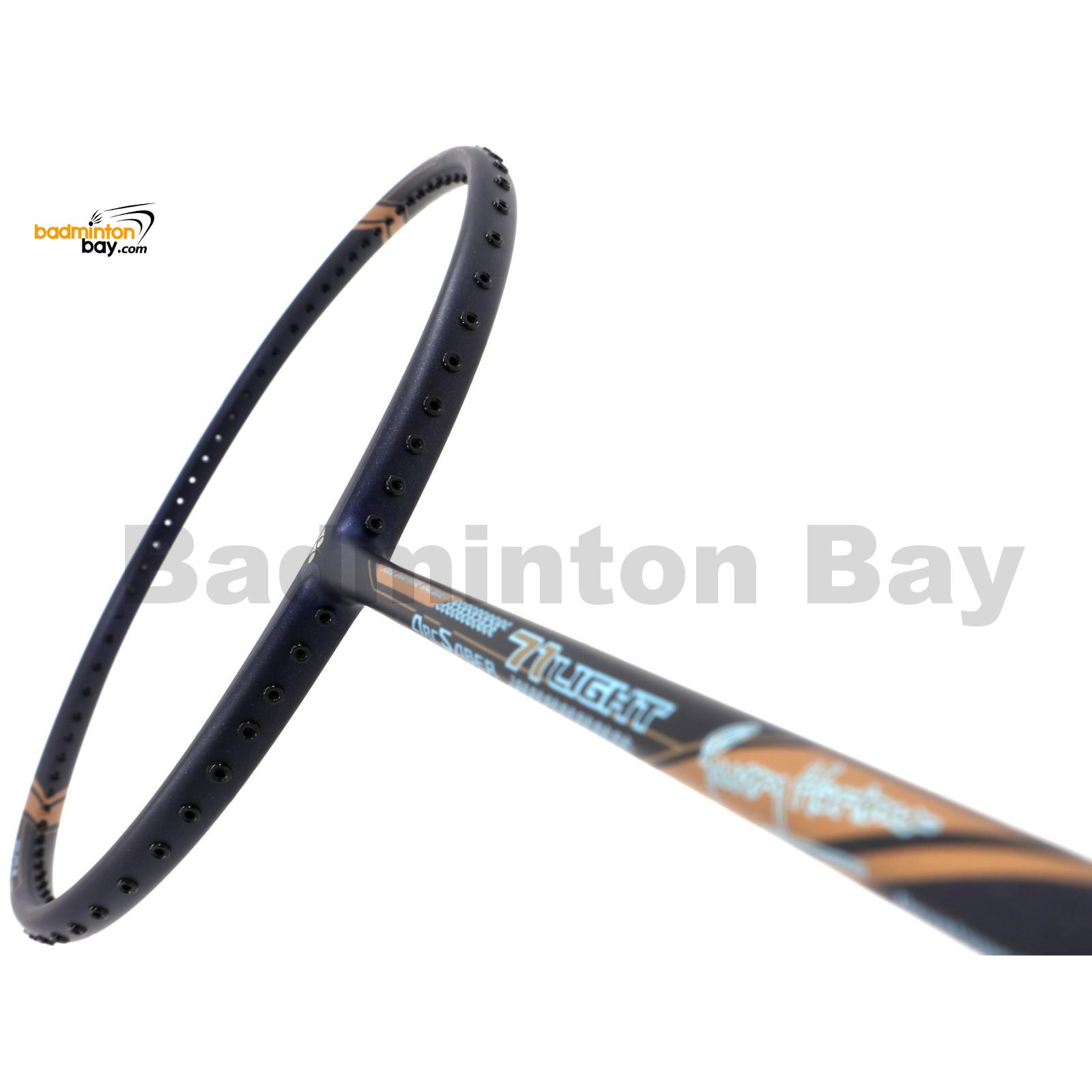
- 3
- Weight class
- 5U
- Balance point
- Even balance
- Flexibility
- Flexible
5U class, an even balance at 288 mm, a flexible shaft and an ISOMETRIC head. The Control Support Cap helps with quick grip changes. Accepts up to 30 lbs.
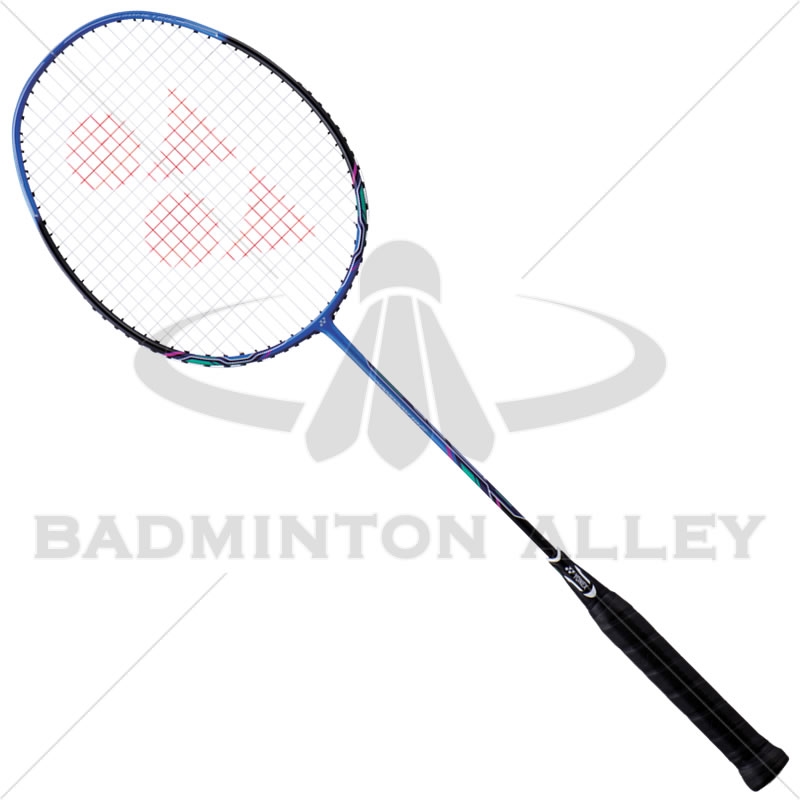
- 4
- Weight class
- 4U
- Balance point
- Lighter head
- Flexibility
- Flexible
Head-light balance, a flexible shaft with NanoMesh, 4U (80 to 85 g) and a G5 grip. Very easy to handle on defense and in quick exchanges. Comes strung, with a 3/4 cover.




Why lightness matters so much in doubles
In singles, you have the whole court to cover, but you usually have a little more time between one stroke and the next. In doubles, the court is shared, the shuttle comes back faster and lower, and much of the point is decided in situations where the racket has to change position in fractions of a second:
- Defending a smash at the body. The opponent attacks at your hip line or at the shoulder on the racket side. Players with a head-light racket take the racket out from in front of the body and block; players with a head-heavy racket often arrive with the racket still rising.
- Drive exchanges. The strokes come out flat, at net height, alternating forehand and backhand. The racket that returns to the front faster wins the time in the exchange.
- Net play after the short serve. The first touch after the serve defines who attacks. A light racket rises quickly to a shuttle that passes right over the tape.
- Counterattack. After defending, the pair needs to turn defense into attack with a drive or a short block. Hand speed again.
The price of lightness shows up at the back: a smash with less weight and a clear that demands more technique to reach the line. That is why the list mixes head-light rackets, for players who stay more at the front, with even-balance rackets, for players who rotate between front and back. If you are always the rear player and decide with the smash, the right list is the one for attacking badminton rackets.
Which setup suits your position
| Position in doubles | Weight | Balance | Shaft | From the list |
|---|---|---|---|---|
| Stays at the net, kills the short shuttle | 4U or 5U | Head-light or even | Medium or flexible | Zig Zag Speed III, Nanoflare 1000 Game |
| Rotates between front and back | 4U | Even or slightly head-light | Medium | Nanoflare 700 Tour, Arcsaber 71 Light |
| Defends a lot and counterattacks | 4U or 5U | Head-light | Medium | Nanoflare 700 Tour, Windstorm 700 SE |
| Plays for fun or is just starting | 4U | Head-light | Flexible | Nanoray 10F, Nanoflare 800 Play |
The table is a starting point, not a rule. Balance and flex combine in ways that go beyond position; the guide to badminton racket balance and flex explains how each combination behaves. To understand the 4U, 5U and G5 codes, see the guide to badminton racket weight and grip.
The rackets by player profile
If you play mostly at the net
At the net, what matters is raising the racket quickly and having control on the touch. The Apacs Zig Zag Speed III was designed for that: the Compact Slim head frame is smaller and thinner, which reduces drag, and the 285 mm balance point keeps the head light in the hand. The downside of the compact head frame is a smaller sweet spot, so it rewards players who already hit the center. It accepts up to 35 lbs, useful for those who like firm strings and a crisp response on the touch.
The Nanoflare 1000 Game is the Yonex alternative. It has a head-light balance, a medium shaft and the Sonic Flare System, designed to accelerate the shuttle in quick exchanges. Compared to the Zig Zag, it forgives more off-center and sends the shuttle farther when you're pushed back.
 Apacs· Badminton
Zig Zag Speed III Apacs
- Weight class
- 4U
- Balance point
- Even balance
- Flexibility
- Flexible
Compact head frame and a 285 mm balance point: the most net-specialized on this list. Requires good contact in the center.
If you rotate between front and back
Most recreational players don't stay in one position. For them, the Nanoflare 700 Tour is the safest choice. It has a head-light balance, but the medium shaft and the HM graphite with Nanocell NEO help send deep clears without effort. The Servo Filter reduces vibration, which counts in its favor in long matches. It comes unstrung, so arrange the stringing when you buy, and it also exists in 5U for players who want even less weight.
The Arcsaber 71 Light is the even-balance option. At 288 mm, it isn't as fast on defense as a Nanoflare, but it gives a little more presence on the back-court stroke. The flexible shaft helps with depth, and the ISOMETRIC head enlarges the usable area. For players who like the idea but want a medium shaft, the Arcsaber 11 Play 2022 is the 4U control sibling.
Strengths
- + Head-light balance with a medium shaft: fast on defense without losing the clear
- + Servo Filter reduces vibration in long matches
- + Available in 4U and 5U
Drawbacks
- − Little weight for a smash from the back
- − Comes unstrung
If you want the lightest racket possible
The Li-Ning Windstorm 700 Special Edition weighs 79 g, 5U class, and is still not unstable: the M50 carbon and the Stabilized Torsion Angle hold the frame steady on contact. The 298 mm even balance avoids the "empty racket" feeling that some very head-light ultralights give. The G6 grip is thin; great for switching from forehand to backhand, but those with big hands will want an overgrip. It also suits the intermediate player who plays singles and doubles with the same racket.
If you're just starting to play doubles
The Nanoray 10F and the Nanoflare 800 Play are the easiest on the list. Both have a head-light balance and come strung. The 10F has a flexible shaft, which helps players who don't yet have a swing send the shuttle to the back. The 800 Play has a medium shaft and a standard 22 x 22 stringing pattern, and leaves the factory at 23 to 24 lbs. Players who already play with some regularity tend to prefer the 800 Play; those in their first weeks, the 10F. The guide to badminton rackets for beginners goes deeper into that stage.
Mixed doubles: each player's racket
In mixed, the most common formation puts one player at the front almost all the time and the other covering the back. That changes the choice. The player at the front benefits from a head-light racket and quick reaction, like the Zig Zag Speed III or the Nanoflare 1000 Game. The player covering the back needs depth and some weight on the smash, and may prefer an even-balance racket like the Arcsaber 71 Light or even a slightly head-heavy one.
There is no "women's" or "men's" racket on the spec sheet. There is weight, balance and shaft. A strong female player who covers the back may need a heavier racket than her net partner.
When a light racket gets in the way
Lightness has a limit. Watch for these signs:
- The racket "wobbles" on defense against a hard smash. If the shuttle pushes the racket head back and the return comes out short, there isn't enough mass to stabilize the block. A 4U with an even balance usually solves it.
- Your clears don't get past mid-court. A head-light racket demands more technique on the back-court stroke. If this happens often, a more flexible shaft or an even balance helps.
- You play almost always at the back. Then a light racket only takes away power. It's worth looking at the attacking options.
- You're the only one in the pair who attacks. If your partner doesn't finish, your racket needs smash. An even-balance racket is a better middle ground than a very light one.
How to test a light racket before deciding
A casual warm-up rally doesn't show what matters in doubles. If you can borrow the racket for a session, or test it at a store with a court, do the following:
- Ask your partner for a sequence of drives at net height, alternating forehand and backhand. Notice whether you get back to the ready position before the next shuttle.
- Defend 10 smashes at the body. A light racket that suits you blocks without the head "giving." If the return comes out short and high, it lacks stability.
- Hit 5 clears from baseline to baseline. If the shuttle doesn't get past the doubles long service line, the combination of a head-light balance and shaft is too demanding for your swing.
- Use strings and tension similar to your current racket's. A different string changes the feel so much it can hide the difference between the frames.
Strings and tension on a light racket
A light racket with very tight strings is a combination that tends to frustrate the recreational player. The racket already has little mass to push the shuttle, and high tension reduces the trampoline effect of the strings, so the clear gets even shorter. For those who play doubles for fun, staying in the middle range on the spec sheet is the safest path; the ranges by level are in the guide to how to choose a badminton racket.
Each racket's ceiling varies quite a bit on this list: the Yonex Nanoflare models go from 20 to 28 lbs, the Windstorm 700 Special Edition and the Arcsaber 71 Light accept up to 30 lbs and the Zig Zag Speed III reaches 35 lbs. Players who play at the net and like a crisp response on the touch can take advantage of that margin; those who defend a lot from the back rarely need it.
Other lightweight doubles rackets worth a look
Lightweight alternatives available from stores
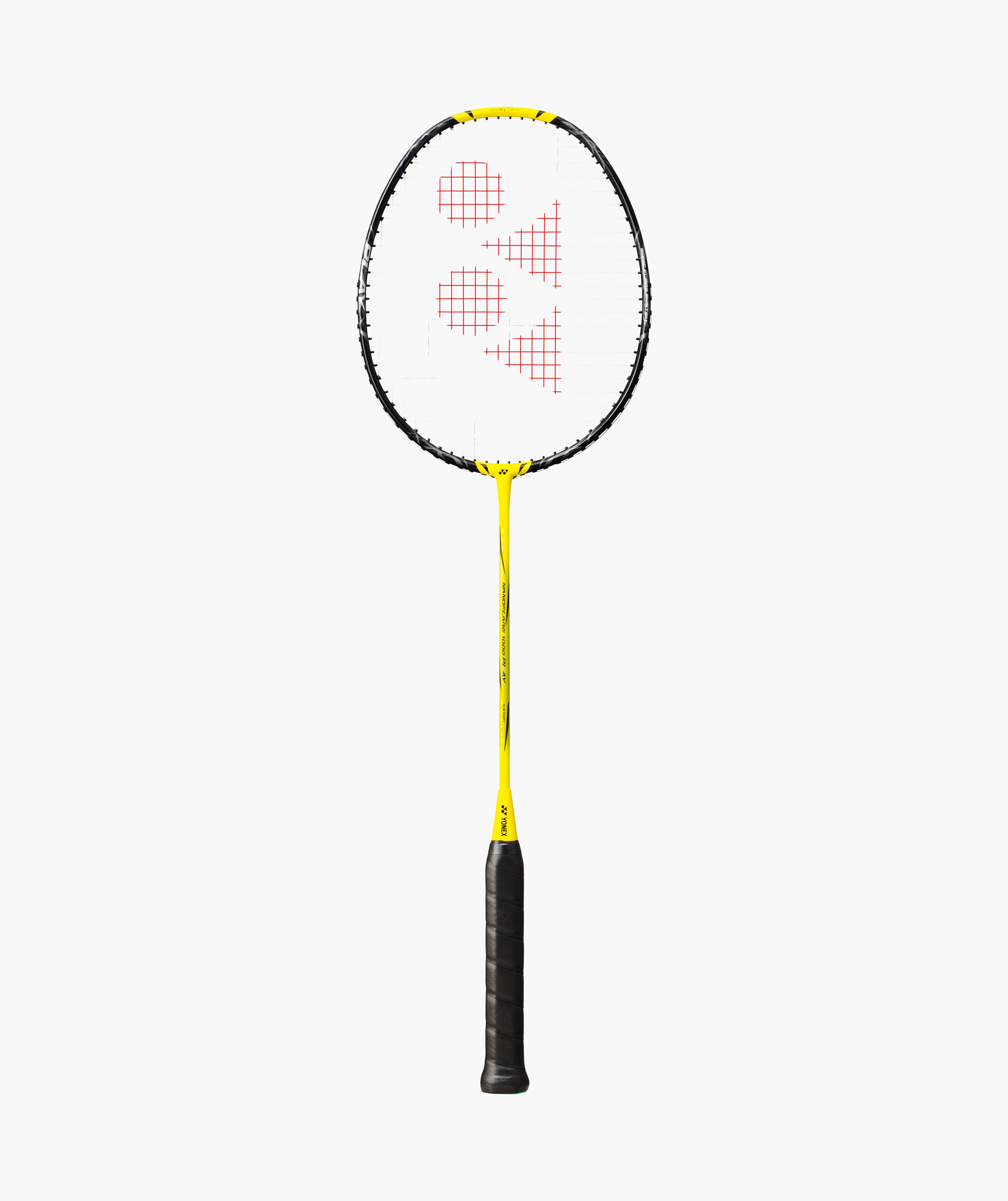

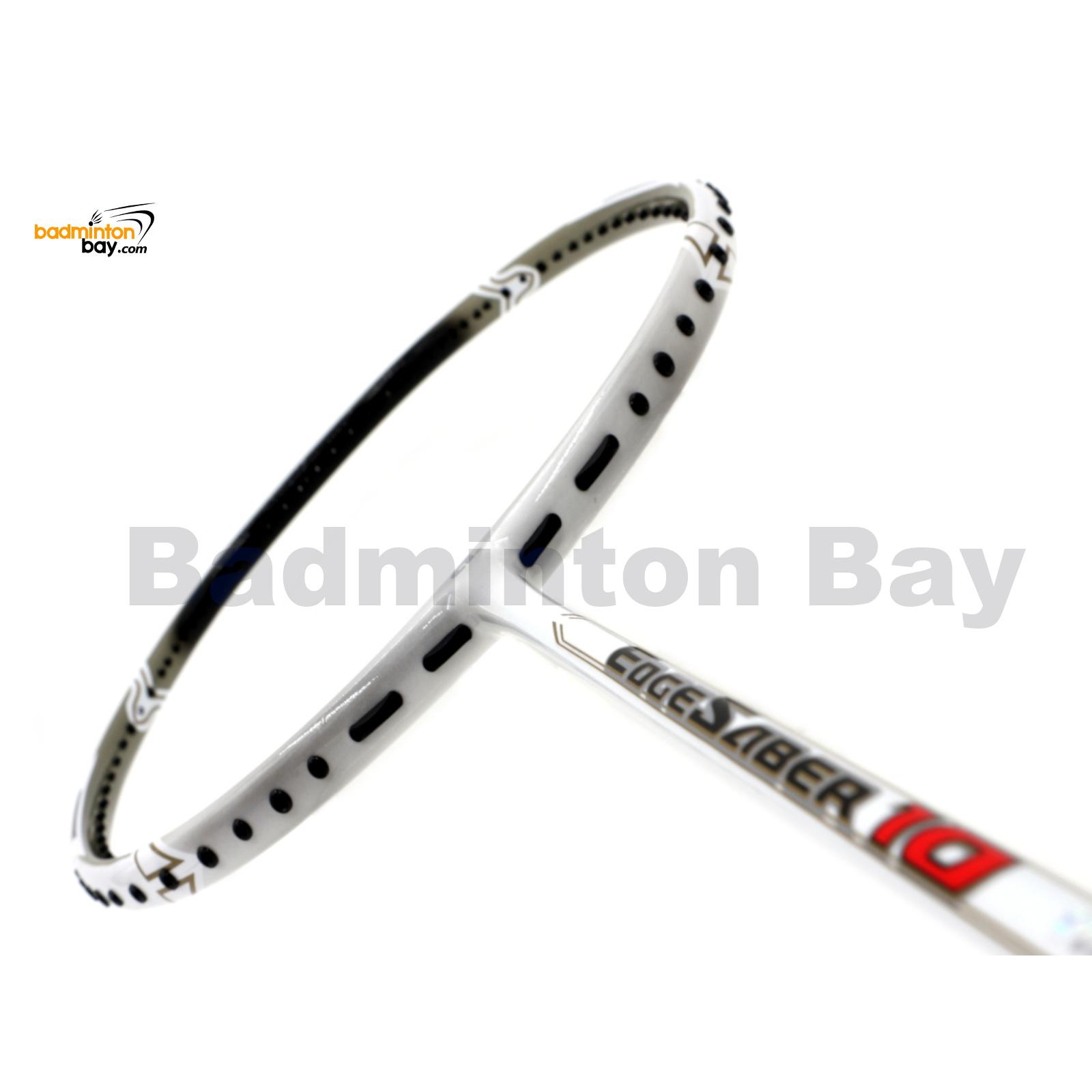
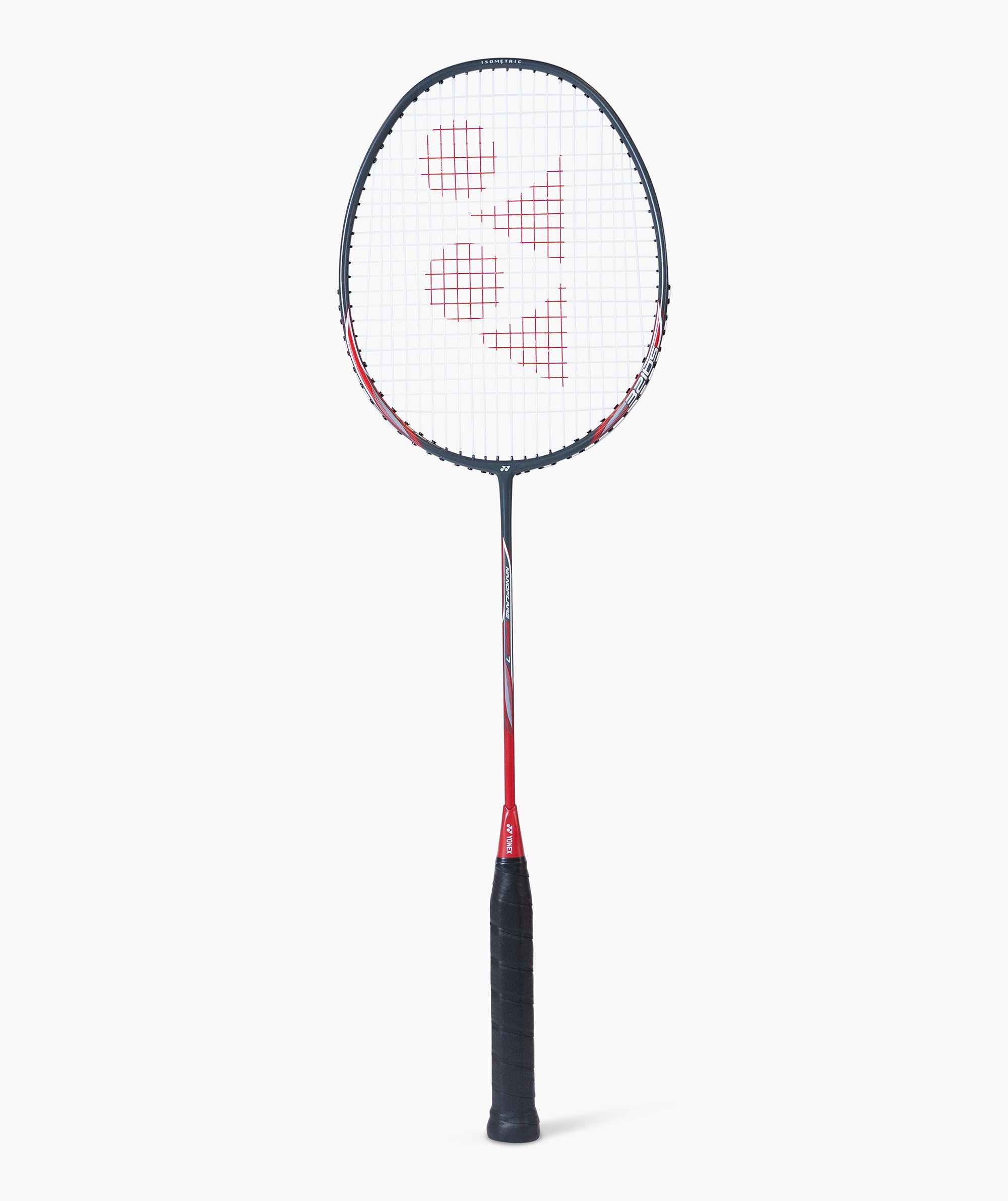
The Nanoflare 1000 Play and the 700 Play 2024 are the entry versions of the families on the list, in standard graphite. The Apacs EdgeSaber 10 has 85 g (4U), an even balance at 285 mm and accepts up to 30 lbs. The Babolat X-Feel Origin Essential is a 4U with an even balance, for players who play singles and doubles.
To filter more options, the badminton catalog separates rackets by balance and weight, the Yonex, Li-Ning and Apacs pages gather each brand's models, and the badminton comparison tool puts up to six spec sheets side by side. Find Your Racket matches everything to your playing style.
Where to buy the racquets in this guide
- Nanoflare 1000 Game 2023 Yonex4U · Lighter head · MediumSee priceAmazon
- Zig Zag Speed III Apacs4U · Even balance · FlexibleSee priceAmazon
- Arcsaber 71 Light Yonex5U · Even balance · FlexibleSee priceAmazon
- Nanoray 10F Yonex4U · Lighter head · FlexibleSee priceAmazon
- Nanoflare 1000 Play 2023 Yonex4U · Lighter head · MediumSee priceAmazon
- EdgeSaber 10 Apacs4U · Even balance · MediumSee priceAmazon
- Nanoflare Speed 7 Yonex4U · Lighter head · FlexibleSee priceAmazon
The prices above are checked automatically at each store and may have changed since the last check. The price that counts is the one shown on the store's website at checkout. We may earn a commission on purchases made through store links, at no extra cost to you.