


 Brasil
 United States
 United Kingdom
 Australia
 Netherlands
 France
 España
 Italia
 السعودية
Best Pickleball Paddles of 2026: Top Picks by Playing Style
The best pickleball paddles of 2026 by playing style and shape: best overall, elongated, widebody, thick core, foam and best value.
Updated on 2026-10-07
On this page
- 1.What is a pickleball paddle?
- 2.The best pickleball paddles of 2026 by playing style
- 3.How we chose
- 4.Comparison of the top picks
- 5.Analysis of each pick
- 6.Power, control or spin: what changes inside the paddle
- 7.Elongated, hybrid or wide?
- 8.How much to invest: where the performance jump is
- 9.If you're just starting or changing levels
- 10.Frequently asked questions
- 11.Verdict
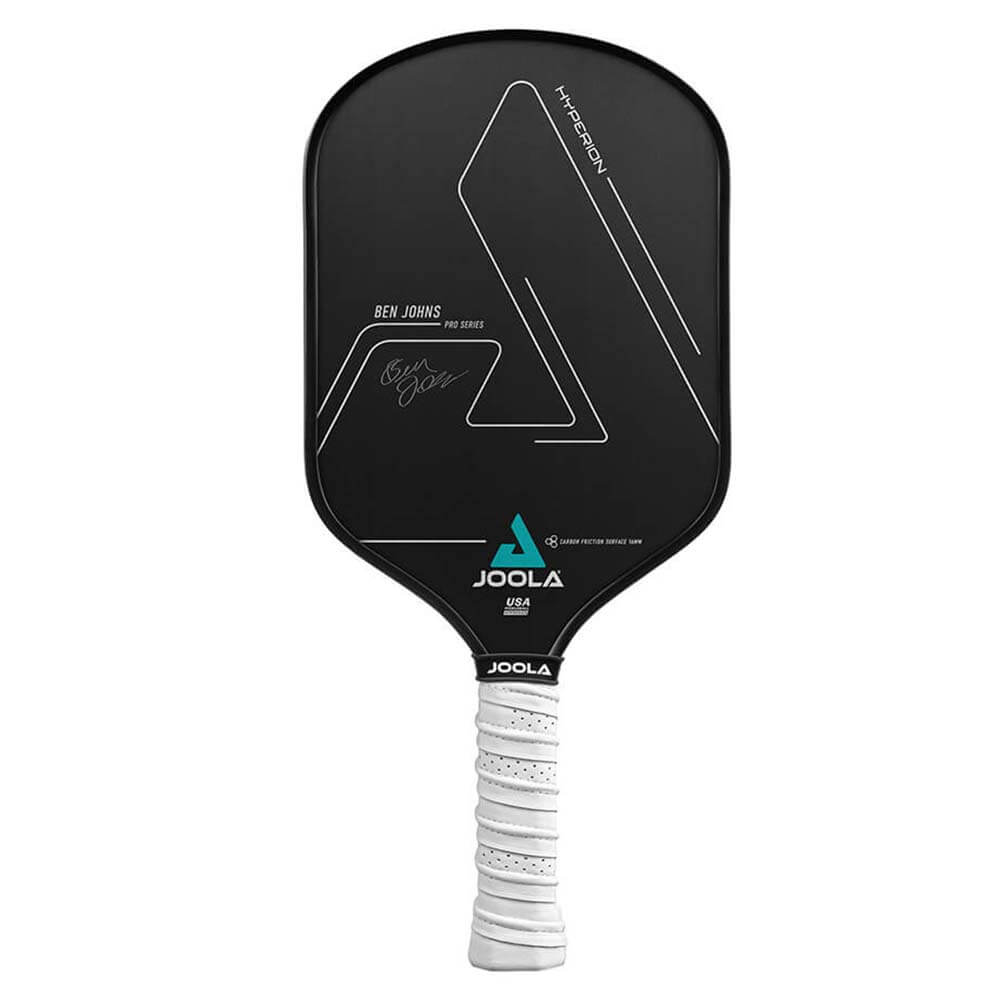
The best pickleball paddle of 2026 for most people who already play regularly is the JOOLA Ben Johns Hyperion CFS 16: a 16 mm honeycomb core, a Carbon Friction face, a 5.5 in handle and about 8.4 oz. But "best" depends on your style, so we've split the picks by playing style and shape: elongated, widebody, thick core, foam core and best value.
Every paddle below is in the Racquet Rank catalog with a verified spec sheet, an RR Score and, when available, live prices from stores.
What is a pickleball paddle?
In pickleball, the equipment is called a paddle. The name comes from the shape: it's a solid blade with no strings, with a composite face bonded over a honeycomb or foam core. Some people say "pickleball racket," and you'll see both terms in store listings and searches, but paddle is the standard word.
The difference from tennis or padel matters when you're choosing. With no strings, the ball exit is decided by the combination of core + face + shape. A thinner core returns the ball faster, a raw carbon face grips the ball and generates spin, and an elongated shape trades hitting area for reach. Understanding these three points already explains why two paddles of the same weight play so differently.
The best pickleball paddles of 2026 by playing style
Best pickleball paddles of 2026
- 1
- Weight
- 8.4 oz
- Core
- 16 mm
- Face
- Textured carbon
A 16 mm honeycomb core, Carbon Friction face and a 5.5 in handle, which accommodates the two-handed backhand. It weighs close to 8.4 oz, a heavy range that usually gives stability on blocks. It has a high RR Score in the pickleball catalog and a live offer.
- 2
- Weight
- 8.1 oz
- Core
- 16 mm
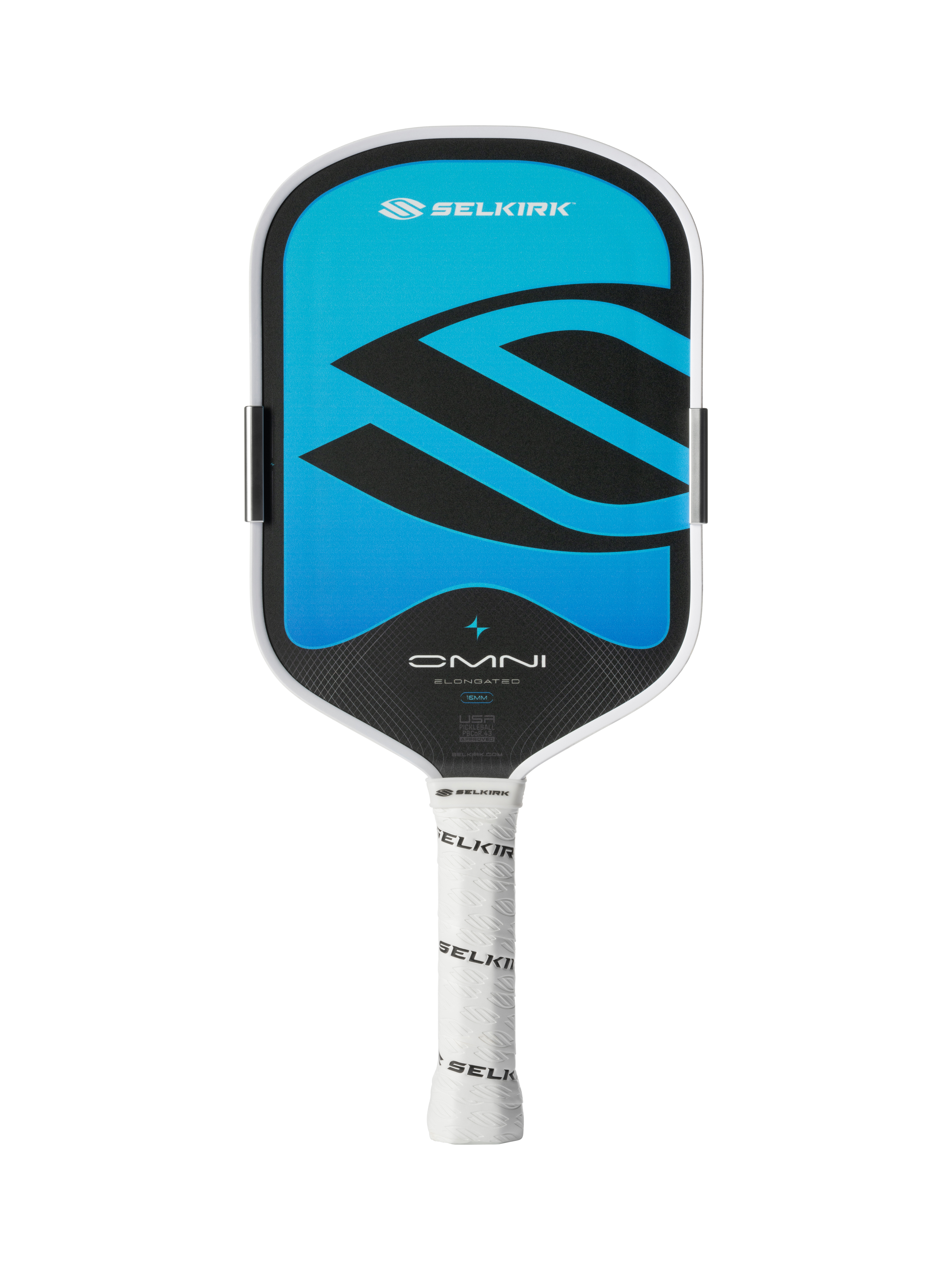
A 16 mm ReactCore foam core with an EVA ring, a T700 face with InfiniGrit and a 5.8 in handle. It's the elongated version at 16.5 x 7.45 in, and the foam has no honeycomb cells that can sink with use.
- 3
- Weight
- 8.4 oz
- Core
- 16 mm
- Face
- T700 carbon
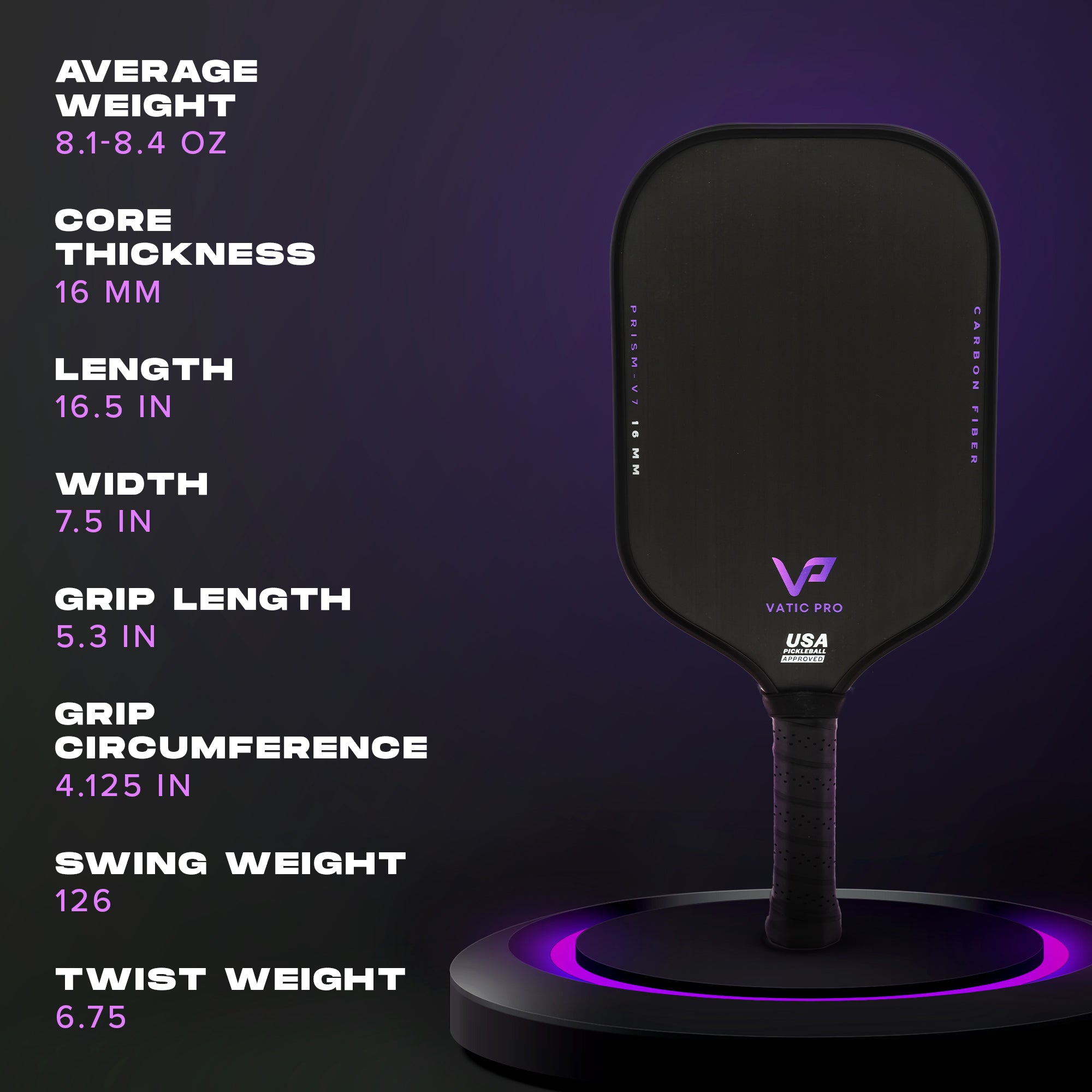
Raw T700 carbon face, a 16 mm core with injected foam walls and an elongated 16.5 x 7.5 in shape. It uses the same family of materials as the top-end paddles at a mid-range price. It has a 4.6 out of 5 rating across about 1,600 reviews on Amazon.
- 4
- Weight
- 8.2 oz
- Core
- 16 mm
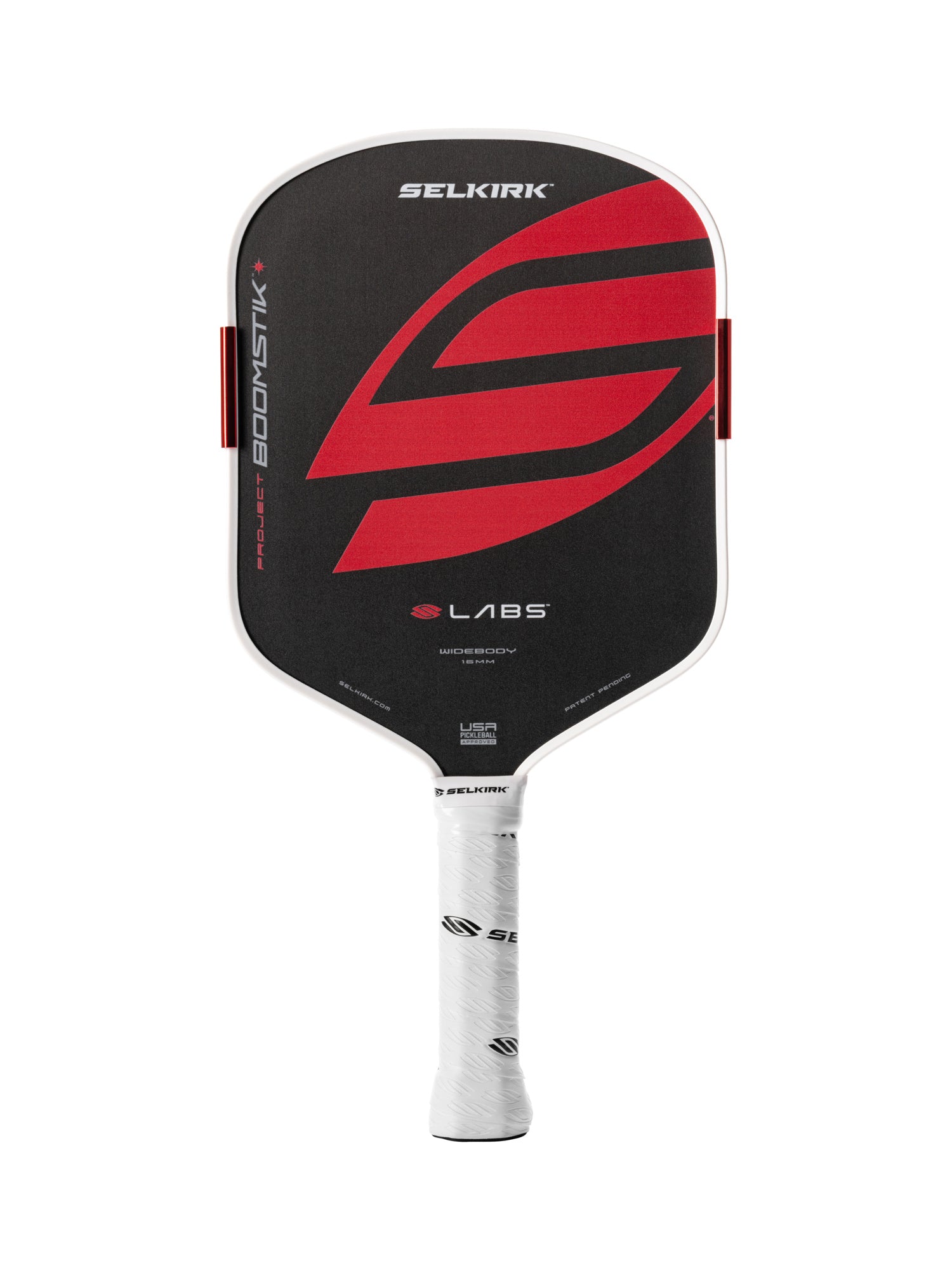
A BoomCore foam core with an EVA ring, three layers of T700 carbon, a wide 15.95 x 8 in face and a twist weight of 8.2 as reported by Selkirk. A high twist weight tends to reduce twisting when the ball hits off-center. It weighs close to 8.2 oz.
- 5
- Weight
- 8.1 oz
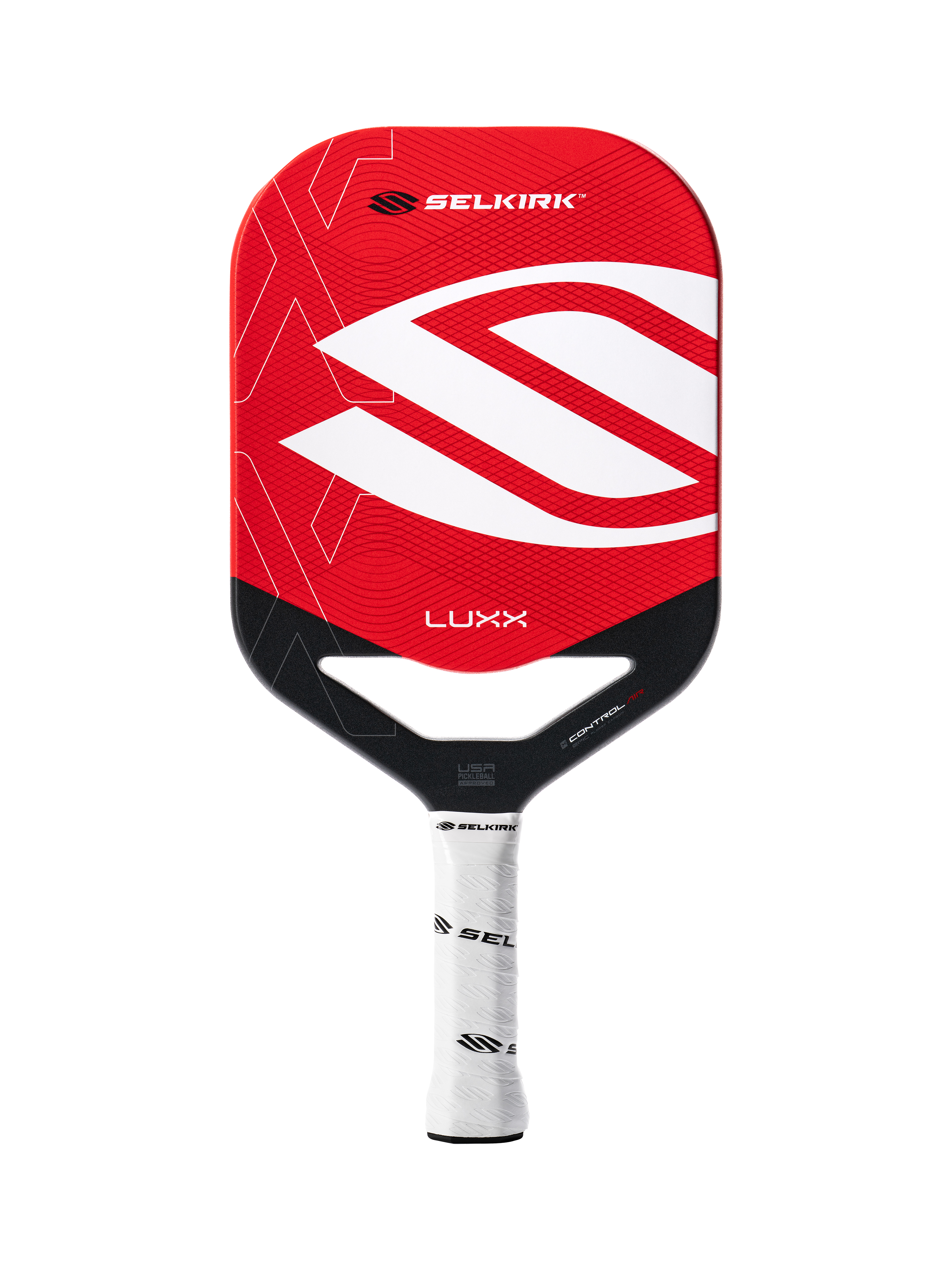
- Core
- 19 mm
A 19 mm core, much thicker than average, a traditional shape and a swing weight of 109. A thick core tends to hold the ball on the face longer, which helps those who build the point with dinks, drops and resets.
- 6
- Weight
- 8 oz
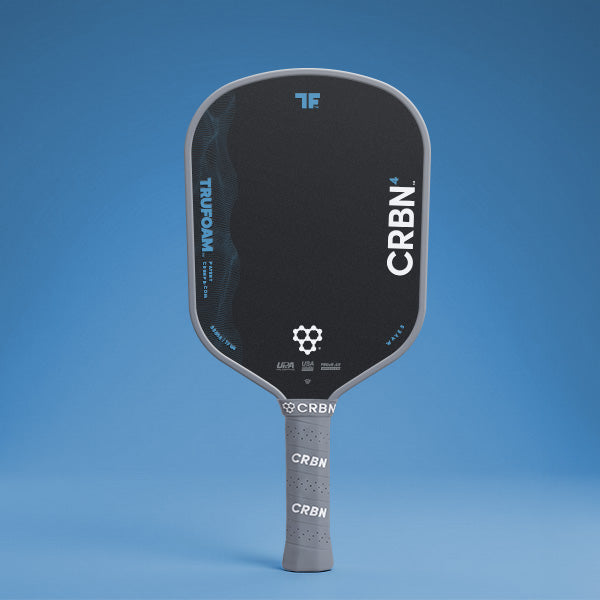
- Core
- 14 mm
A T700 carbon and fiberglass face over a 100% foam 14 mm core, in a hybrid 16.2 x 7.8 in shape. A 5.5 in handle and about 8 oz. Approved by USA Pickleball and UPA-A.








How we chose
The list starts from the RR Score, which combines the spec sheet, buyer and expert reviews and each paddle's stated profile (the full calculation is in our rating methodology). Then we apply three practical filters:
- Tournament approval. Any paddle not approved by USA Pickleball was left out, even with a high score.
- One standout per profile. A list of only power paddles doesn't help those who play for control. Each position serves a type of player.
- Availability. We favored current models that show up with live offers. Prices change every day, which is why the cards show the live price.
If you don't know your profile yet, find your paddle asks the right questions and returns a personalized selection.
Comparison of the top picks
Hyperion CFS 16, OMNI, Prism V7, Boomstik Widebody and LUXX side by side
5 racquets: swipe sideways to see them all1–2 of 5 →
Highlighted: what differs between the racquets. In bold: the best value in the row.
Look at two rows of the table: core thickness and weight. The LUXX, at 19 mm, has the thickest core in the group. The Boomstik and the OMNI use foam instead of honeycomb, which changes the construction even with the same 16 mm as the Hyperion. And the Prism V7, at close to 8.4 oz, has a weight similar to the JOOLA's.
Analysis of each pick
JOOLA Ben Johns Hyperion CFS 16: the most complete
The Hyperion CFS 16 isn't the newest on the list, but it brings together the most balanced spec sheet. The honeycomb polymer core is 16 mm, the thickness most associated with control play. The Carbon Friction face is textured carbon, made to give the ball grip. And the weight of close to 8.4 oz sits in the heavy range, which generally makes the paddle firmer on blocks.
The shape is elongated, at 16.5 x 7.5 in, and the 5.5 in handle accommodates the two-handed backhand, increasingly common among players coming from tennis. The downside of the weight is fatigue in long matches, so it's worth testing first if you're coming from a light paddle.
Strengths
- + Weight close to 8.4 oz, in the heavy range, firm for blocking
- + Textured Carbon Friction carbon face
- + 16 mm core, a control thickness
- + 5.5 in handle for the two-handed backhand
Drawbacks
- − Heavier than average, can tire you in long matches
- − Not thermoformed like JOOLA's newer generations
- − Elongated shape, narrower than a widebody
Selkirk OMNI Elongated: foam for those who want it all
The OMNI is the 2026 paddle that Selkirk places between the Boomstik (power) and the LUXX (control). The foam core has no honeycomb cells that can give way over time, a known problem called core crush, in which the paddle goes "dead" in one spot on the face. The result is a feel that lasts longer.
The point to watch is the swing weight of 118, which is high. It gives stability and power on the drive, but makes the paddle a bit slower in fast hand exchanges. If that bothers you, the Widebody version of the same paddle has a swing weight of 112 and a wider face. See all the options in Selkirk pickleball paddles.
Vatic Pro Prism V7 16mm: the shortcut to raw carbon
The Prism V7 uses raw Toray T700 carbon, the same type of face as the top-end paddles, with a texture applied under heat. The 16 mm core has injected foam walls, a feature that generally stabilizes the edge. It isn't thermoformed, which puts it in the school of pressed paddles.
It earns the best-value label for a simple reason: it brings together raw T700 carbon, 16 mm and an elongated shape at a mid-range price. The point to watch is the weight. At about 8.4 oz, it's in the heavy range, which tends to cost you agility in fast volley exchanges.
Selkirk LABS Project Boomstik Widebody: foam in a wide shape
Attack paddles tend to be elongated, with a narrower face. The Boomstik Widebody takes another path. The 15.95 x 8 in face and the edge weights raise the twist weight (resistance to twisting in your hand when the ball hits off-center) to 8.2, according to Selkirk. In general, the higher the twist weight, the less the paddle twists on off-center hits.
The core is foam, a material that tends to return more energy than honeycomb. That's why it appeals to those who like to accelerate the third shot and the counterattack. If you rely on the soft game, expect an adjustment period, which is common with foam paddles.
Selkirk LUXX Control Air Epic InfiniGrit: the thickest core on the list
At 19 mm, the LUXX has the thickest core in this selection. A thick core tends to increase contact time and reduce exit speed, which helps with resetting a fast ball at your feet or a cross-court dink under pressure. According to Selkirk, the InfiniGrit surface was made to keep its roughness longer.
The other side of such a thick core is slower ball exit: to put the ball away, you have to pick your ball well and use your arm.
CRBN⁴ TruFoam Waves: foam in a hybrid shape
The hybrid 16.2 x 7.8 in shape combines some of the elongated's reach with the hitting area of the standard shape. The core is 100% foam, at 14 mm. In general, foam flexes on impact and increases contact time, which helps you "brush" the ball on topspin and slice. The face mixes T700 carbon and fiberglass, a combination that usually adds pop.
It has a 4.86 rating across 177 reviews on CRBN's site. As with other foam paddles, expect a few adjustment sessions on dinks.
JOOLA Perseus Pro V 14mm and Scorpeus Pro V 14mm: JOOLA's thermoformed paddles
Both use the same fifth-generation recipe: a 14 mm Propulsion core with a foam wall, thermoformed construction and the KineticFrame, a throat that, according to JOOLA, flexes and returns energy. The difference is in the shape. The Perseus is elongated (16.5 x 7.5 in), for those who attack from the baseline and use the reach. The Scorpeus is wide and short (16 x 8 in), for those who spend the whole match at the kitchen line trading fast volleys. The full line is in JOOLA pickleball paddles, and the JOOLA paddle comparison puts the generations side by side.
Heads up
Some very thin-core paddles show up with high review scores but aren't legal for tournament play. The 11 mm ProKennex Black Ace paddles, such as the Kinetic Black Ace LG, have been decertified by USA Pickleball since July 2025. For recreational play there's no problem, but if you plan to compete, always check the official list before you buy.
Power, control or spin: what changes inside the paddle
Each profile on this list is the result of construction choices. The table summarizes what to look for on the spec sheet:
| You want | Core | Face | Shape | Weight |
|---|---|---|---|---|
| Power | 13 to 14 mm, or foam | Carbon with fiberglass, or thermoformed | Elongated | 8.0 oz or more |
| Control and dinks | 16 mm or more | Raw T700 carbon | Standard or wide | 7.8 to 8.2 oz |
| Spin | Foam or 16 mm | Textured raw carbon or aramid | Elongated or hybrid | Medium |
| Fast hands at the net | 14 to 16 mm | Carbon | Wide (widebody) | Up to 8.0 oz |
Two observations from players. First, power isn't just speed: a very lively paddle punishes the third-shot drop, which is the most important play in doubles. Second, spin depends more on swing than on the face. A rough face only multiplies what your motion already produces.
Elongated, hybrid or wide?
The shape decides where the paddle plays well:
- Elongated (about 16.5 x 7.5 in): more reach and leverage on the serve and drive, narrower sweet spot.
- Hybrid (about 16.2 to 16.3 x 7.6 to 7.8 in): a middle ground, today's most versatile shape.
- Standard or wide (about 16 x 8 in or smaller): wide sweet spot, faster hands, less reach.
There's more to say on this, and we explain it with examples and measurements in the guide to pickleball paddle materials and shapes. To filter by shape, weight or thickness, use the pickleball paddle catalog.
How much to invest: where the performance jump is
Pickleball paddle prices vary widely, because many models are imported. Instead of amounts, which change every week, think in three tiers:
- Entry: fiberglass, graphite or basic carbon, honeycomb core. Works well for learning and playing on weekends.
- Mid-range: raw T700 carbon, a 16 mm core with foam walls, sometimes thermoformed. This is where the biggest gain per dollar invested is, and the Prism V7 is the best example on this list.
- Top of the line: foam cores, thermoformed construction with throat reinforcements, edge weight systems. The gain exists, but it's more noticeable for those who already have the technique to take advantage of it.
When in doubt, moving up from entry to mid-range changes your game more than moving up from mid-range to the top.
If you're just starting or changing levels
The paddles on this list are mostly intermediate level and up. Those still learning the serve and the dink get more out of a medium-weight paddle with a thick core and a forgiving shape, and spend less. We've gathered those options in best pickleball paddles for beginners.
If you already sustain rallies at the kitchen and want more pop, the guide to the best pickleball paddles for intermediate players explains when it's worth going to a 14 mm core, thermoformed or foam. And if your question is about grip size, weight or approval, go straight to how to choose a pickleball paddle.
To put two or more candidates side by side with a full spec sheet, use the pickleball paddle comparison tool.
Frequently asked questions
What is the best pickleball paddle of 2026?
For most intermediate and advanced players, the JOOLA Ben Johns Hyperion CFS 16, for its balanced spec sheet: a 16 mm core, textured carbon face, 5.5 in handle and firm weight. If you want a foam core in a wide shape, the Selkirk Boomstik Widebody. If you're after the thickest core, the Selkirk LUXX Control Air Epic InfiniGrit, at 19 mm.
What is the difference between a pickleball racket and a paddle?
None. Paddle is the standard name for what some people call a pickleball racket, which is solid and has no strings. Both terms are used in stores and clubs.
Is a carbon pickleball paddle worth it?
For people who play often, yes. Carbon, especially raw T700, gives more control and spin than fiberglass and usually lasts longer. For those just starting, an entry-level carbon paddle already delivers that advantage without the price of top-end paddles.
Is an elongated pickleball paddle better?
Not necessarily. The elongated gives more reach and leverage for the serve and drive, but has a narrower sweet spot and is slower in fast exchanges. For doubles players who stay near the kitchen, a hybrid or widebody usually performs better.
Can every paddle be used in tournaments?
No. To compete, the paddle has to be on USA Pickleball's approved list, which is the reference at most amateur tournaments. The professional PPA Tour and MLP require UPA-A approval. Always check before buying, because paddles can be removed from the list.
How long does a pickleball paddle last?
It depends on use and construction. Honeycomb-core paddles can lose response in some spots on the face over time, and the face texture also wears and reduces spin. Foam cores tend to keep their feel longer. If the ball has started coming off differently in one area of the face, that's a sign of wear.
Verdict
Where to buy the racquets in this guide
- Ben Johns Hyperion CFS 16 JOOLA8.4 oz · 16 mm · Textured carbonSee priceJOOLA
- OMNI Elongated 2026 Selkirk8.1 oz · 16 mm · T700 Multistrata carbon with InfiniGritSee priceYumo Pro Shop
- Prism V7 16mm Vatic Pro8.4 oz · 16 mm · T700 carbonSee priceTenniszon
- LABS Project Boomstik Widebody Selkirk8.2 oz · 16 mm · T700 Multistrata carbon (3 layers)See priceYumo Pro Shop
- LUXX Control Air Epic InfiniGrit Selkirk8.1 oz · 19 mm · Florek carbon fiber with InfiniGritSee priceYumo Pro Shop
- CRBN⁴ TruFoam Waves CRBN8 oz · 14 mm · T700 carbon with fiberglassSee priceAmazon
The prices above are checked automatically at each store and may have changed since the last check. The price that counts is the one shown on the store's website at checkout. We may earn a commission on purchases made through store links, at no extra cost to you.