


 Brasil
 United States
 United Kingdom
 Australia
 Netherlands
 France
 España
 Italia
 السعودية
Pickleball paddle core thickness: 11 to 19 mm
13, 14 or 16 mm? How core thickness changes the exit speed, touch and sweet spot of a pickleball paddle, with pairs of paddles that differ only in this measurement.
Updated on 2026-10-07
On this page
- 1.Reference table: what each thickness does
- 2.How many paddles exist at each thickness
- 3.What thickness changes inside the paddle
- 4.Same paddle, different thicknesses
- 5.One catalog paddle for each thickness
- 6.Myths and facts about the core
- 7.Signs you have the wrong thickness
- 8.How to choose your thickness in four questions
- 9.Frequently asked questions
- 10.Verdict
Pickleball paddle core thickness is the measurement that most changes how fast the ball leaves the face. Thin cores, from 11 to 13 mm, return the ball quickly and favor attacking; 16 mm cores dampen and give control in the short game; 14 and 15 mm sit in the middle. The rules don't limit thickness, so the choice is entirely yours, and this guide shows how to make it using catalog data and paddles that differ only in this measurement.
Reference table: what each thickness does
| Thickness | Ball exit speed | Touch on dinks and resets | Stability off-center | Where it shines | Where it struggles |
|---|---|---|---|---|---|
| 11 to 13 mm | Very fast | Demands a light hand | Lower | Drives, counterattacks, put-aways | Transition resets, long dinks |
| 14 to 15.2 mm | Fast to medium | Good, with some pop | Medium | All-court play, players who attack and defend | No extremes |
| 16 mm | Medium to contained | The most predictable | High | Kitchen, dinks, blocks | Baseline drives without arm speed |
| 19 to 20 mm | Contained | Very soft | High | Maximum control | Finishing high balls |
The table applies to polypropylene honeycomb cores, the most common kind. Thermoformed construction and foam cores shift everything upward: a 16 mm thermoformed paddle can have the exit speed of a 14 mm pressed one. The difference between these constructions is explained in pickleball paddle materials and shapes.
How many paddles exist at each thickness
In the pickleball paddle catalog, with 220 models, the distribution shows that 16 mm has become the market standard:
| Range | Models in the catalog | Share |
|---|---|---|
| 11 to 13 mm | 28 | 13% |
| 14 to 15.2 mm | 74 | 34% |
| 16 mm | 110 | 50% |
| 19 to 20 mm | 5 | 2% |
| No data | 3 | 1% |
You'll notice "odd" numbers like 12.7, 14.3 and 15.2 mm. These are fractions of an inch used by American brands: 12.7 mm is exactly half an inch, 14.3 mm is 9/16 in and 15.2 mm is 0.6 in. On the court, 14 and 14.3 mm play practically the same.
What thickness changes inside the paddle
A pickleball paddle is a sandwich: two thin sheets (the faces) glued to a lightweight core in the middle. Engineers call this a sandwich panel, and the basic rule of that kind of structure applies here: moving the faces farther apart makes the panel much stiffer in bending, and that gain grows faster than the thickness itself.
In practice, this produces three effects:
1. Less trampoline effect
On a thin core, the face flexes more at impact and returns energy like a trampoline. That is the "pop." On a thick core, the face gives less, and more energy is absorbed by the honeycomb walls. The ball leaves slower for the same motion. That is why players describe the 16 mm as a paddle where "the ball stays on the face longer": the feeling is of a secure ball, not a batted one.
2. A more stable sweet spot
A stiffer panel spreads the impact over a larger area. When you catch the ball slightly off-center, the 16 mm paddle loses less speed and twists less than a 13 mm of the same shape. This shows up a lot on the block: the fast ball that hits near the edge comes back shorter and flatter.
3. Weight and aerodynamics, very little
Polypropylene honeycomb is light, so an extra 2 mm barely weighs anything. In the catalog lines that sell the same paddle in two thicknesses, the difference is between 0 and 0.2 oz:
- JOOLA Perseus Pro V: 7.9 oz in the 14 mm, 8.1 oz in the 16 mm.
- JOOLA Scorpeus Pro IV: 8.0 oz in the 14 mm, 8.2 oz in the 16 mm.
- Six Zero Double Black Diamond Control: 8.1 oz in both.
- Engage Pursuit Pro1 Innovation: 8.0 oz in the 12.7 mm, 7.9 oz in the 15.2 mm.
The thicker edge creates a little more air drag, and some brands shape the profile to compensate. On a short shot you won't feel it; on a fast drive, the difference exists, but it is small compared to the effect of thickness on exit speed.
Same paddle, different thicknesses
The cleanest way to see the effect of the core is to compare versions of the same paddle. Below, two lines that keep the shape and face and change only the thickness.
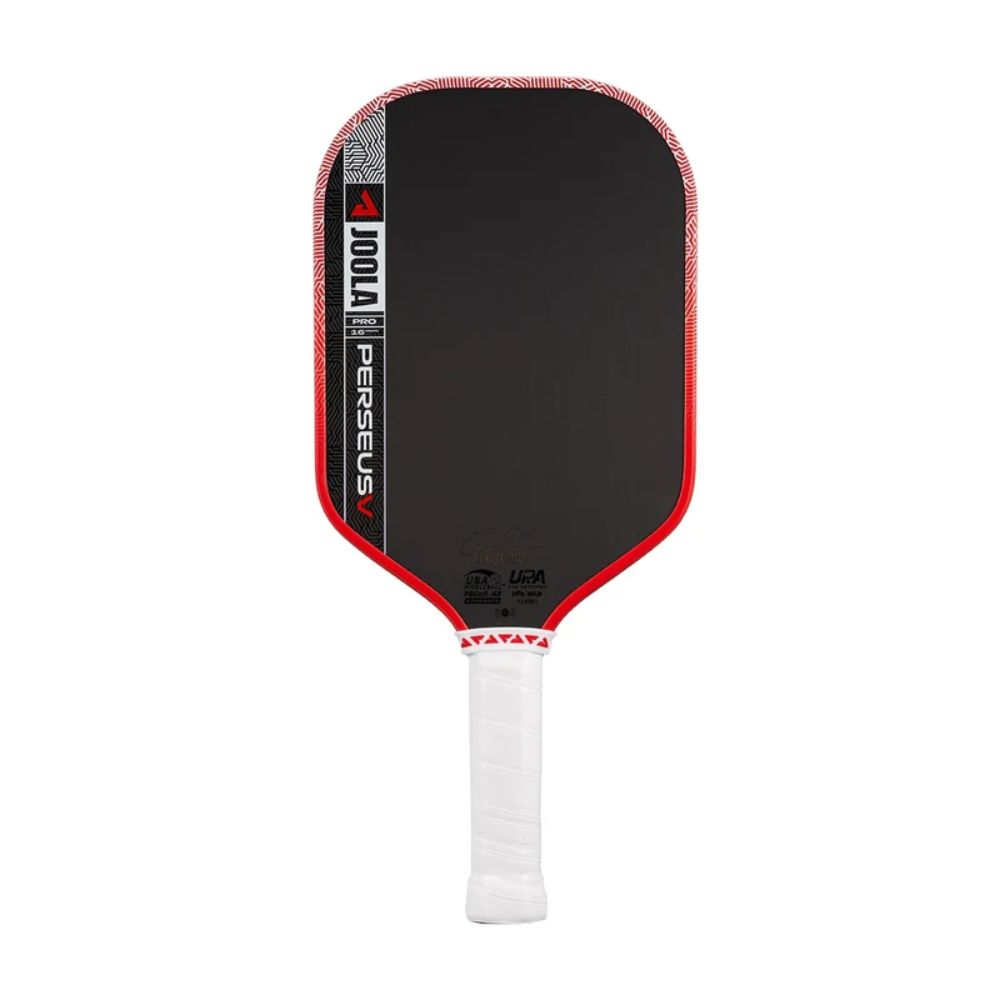
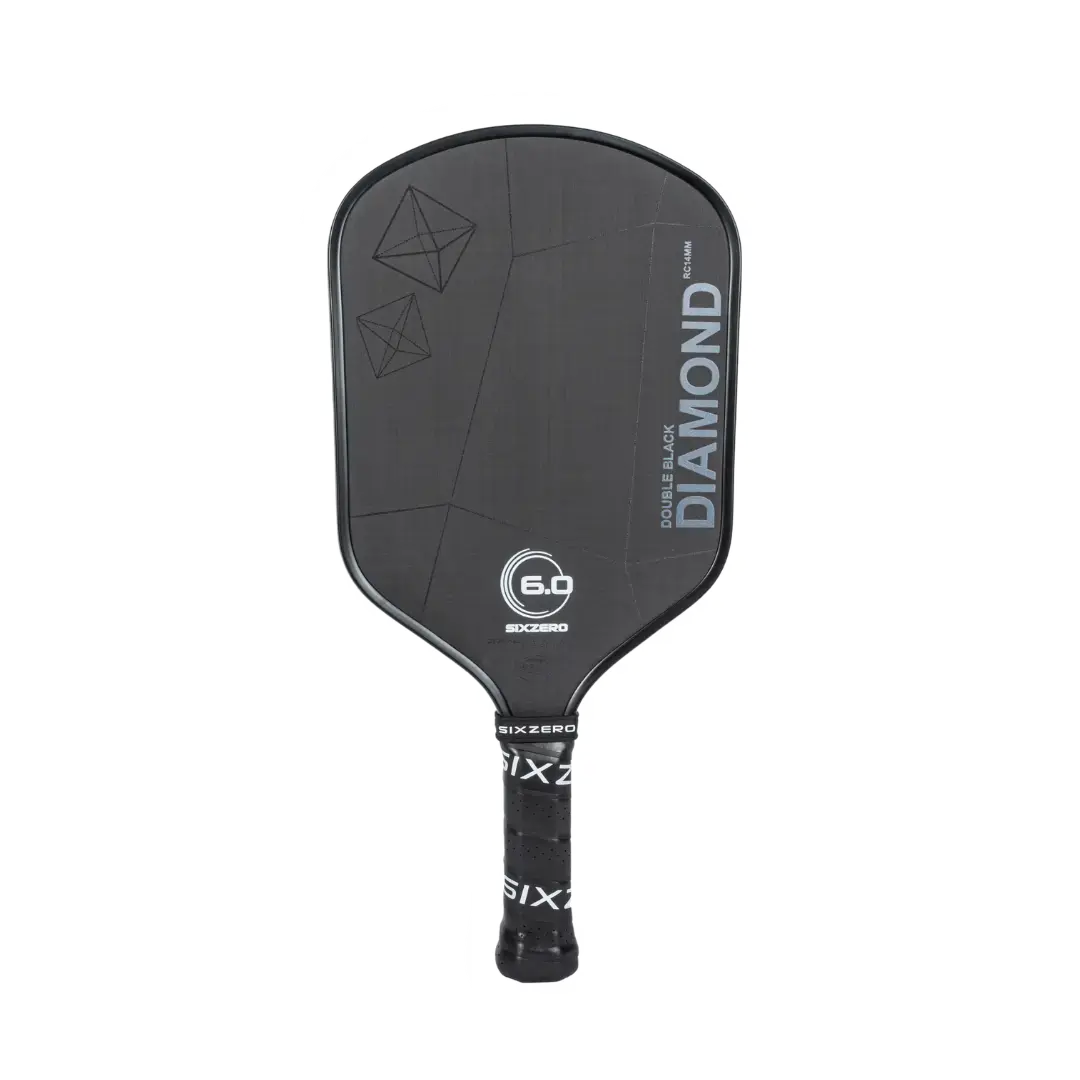
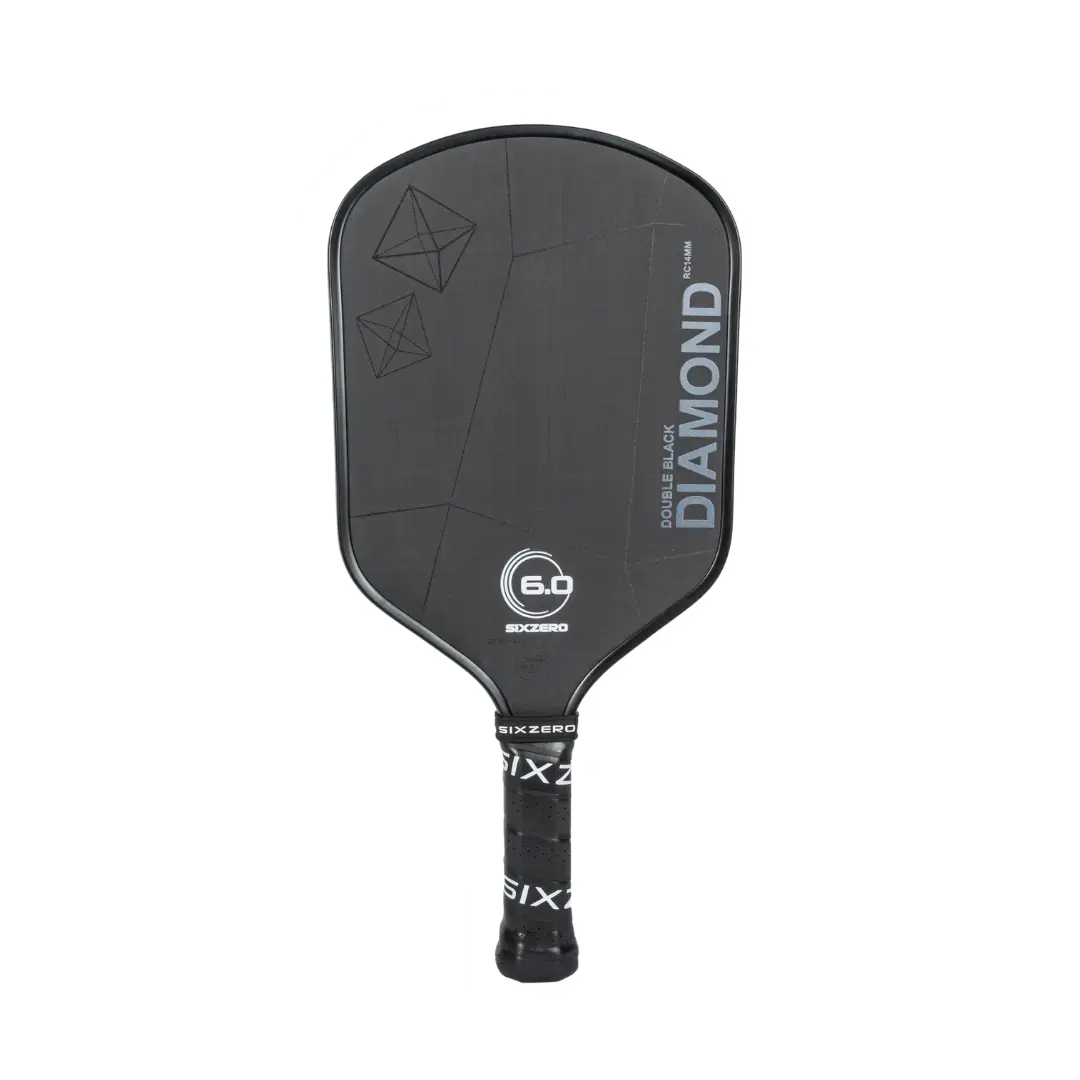
14 mm vs. 16 mm in the same line: Perseus Pro V and Double Black Diamond
3 racquets: swipe sideways to see them all1–2 of 3 →




Highlighted: what differs between the racquets. In bold: the best value in the row.
On the Perseus Pro V, JOOLA itself describes the 14 mm as faster and with more pop on drives and counterattacks, and the spec sheet points to less touch on resets. On the Double Black Diamond, the 14 mm version has a faster ball and a little more pop, according to the spec sheet, with less dampening on resets and a slightly smaller sweet spot than the 16 mm. That is exactly what sandwich physics predicts.
From thin to medium: Engage Pro1 Innovation and Scorpeus Pro IV
Highlighted: what differs between the racquets. In bold: the best value in the row.
The Engage Pro1 Innovation keeps the 16.6 x 7.4 in shape and the 6 in handle in both versions. The 12.7 mm is described as a lively paddle, with a lot of exit speed and harder control in the short game. The Scorpeus Pro IV shows the same trade in a wide shape: the 14 mm gains speed on counterattacks and loses smoothness on the dink; the 16 mm is more stable on the block and the reset.
One catalog paddle for each thickness
Examples available, from the thinnest core to the thickest
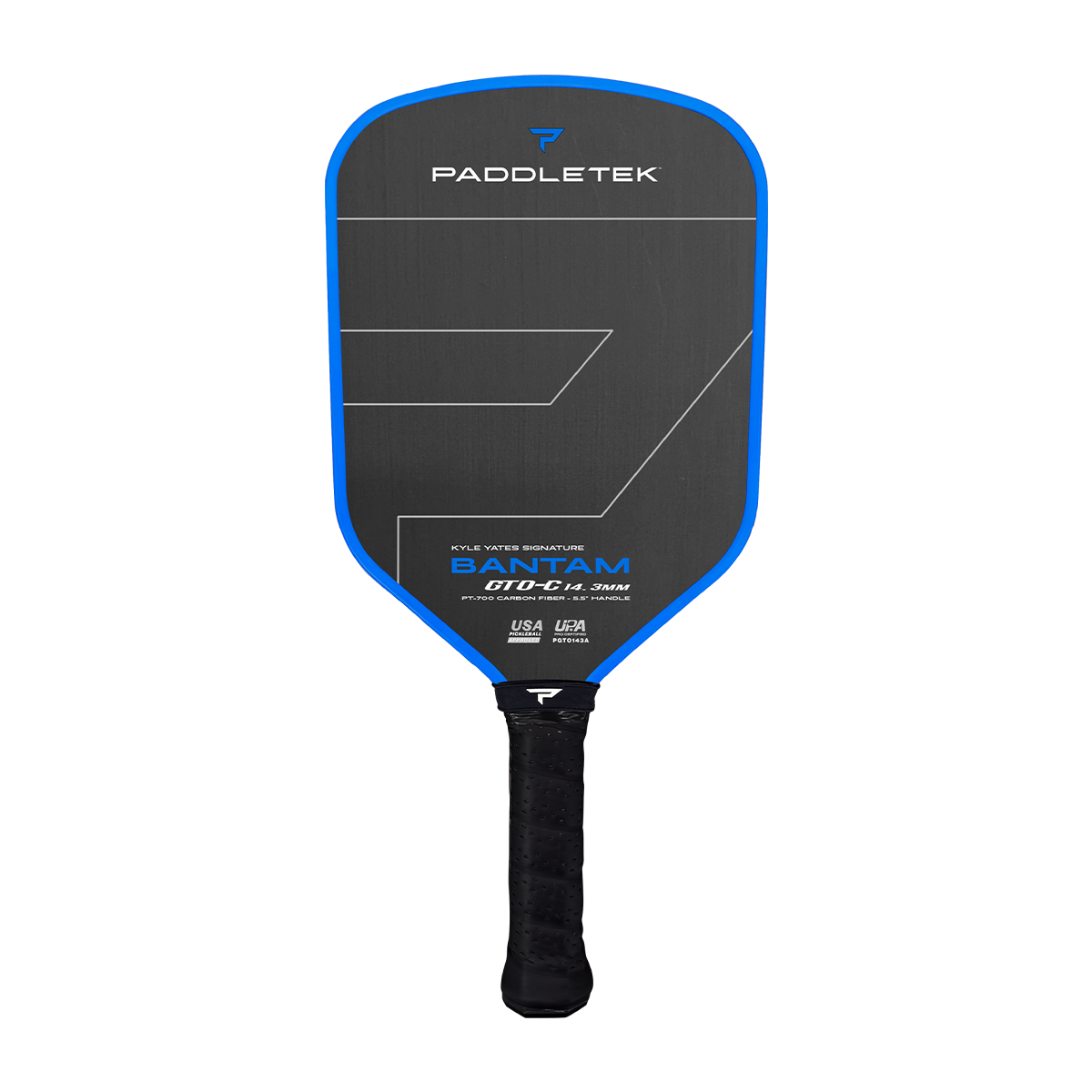



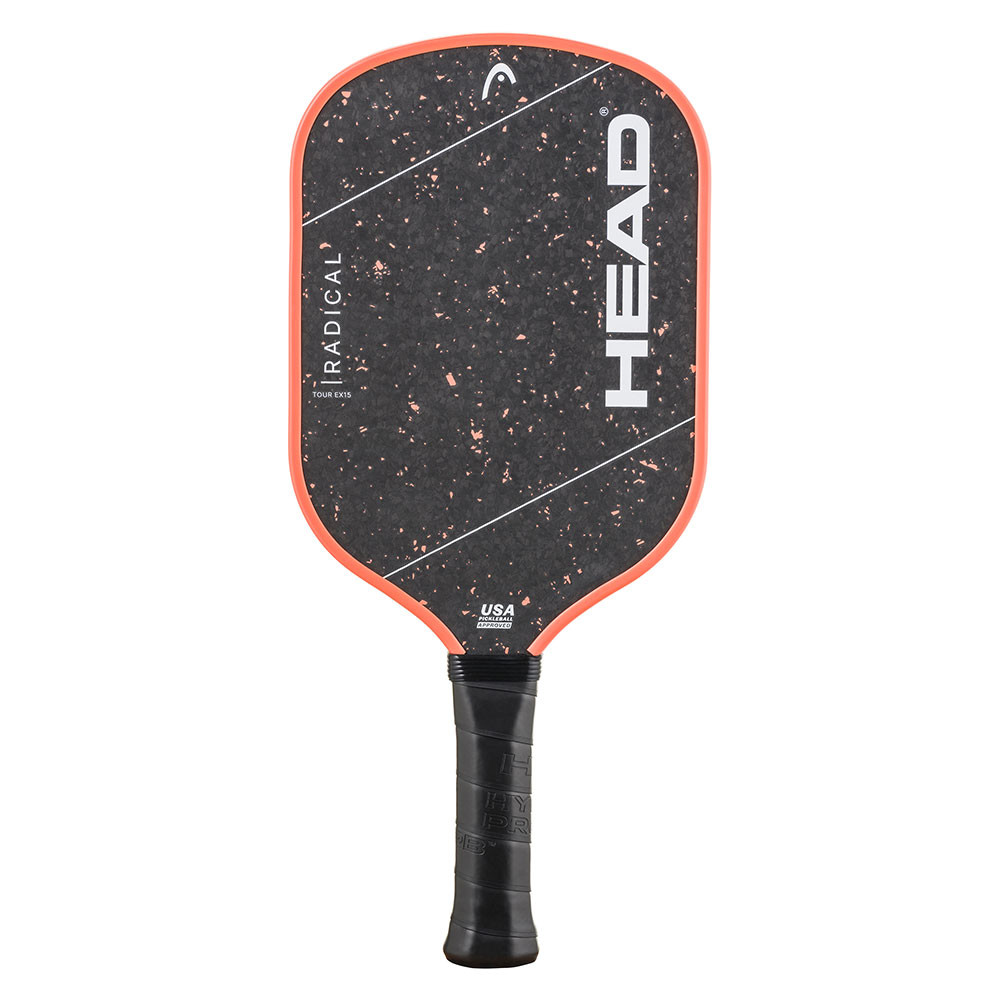

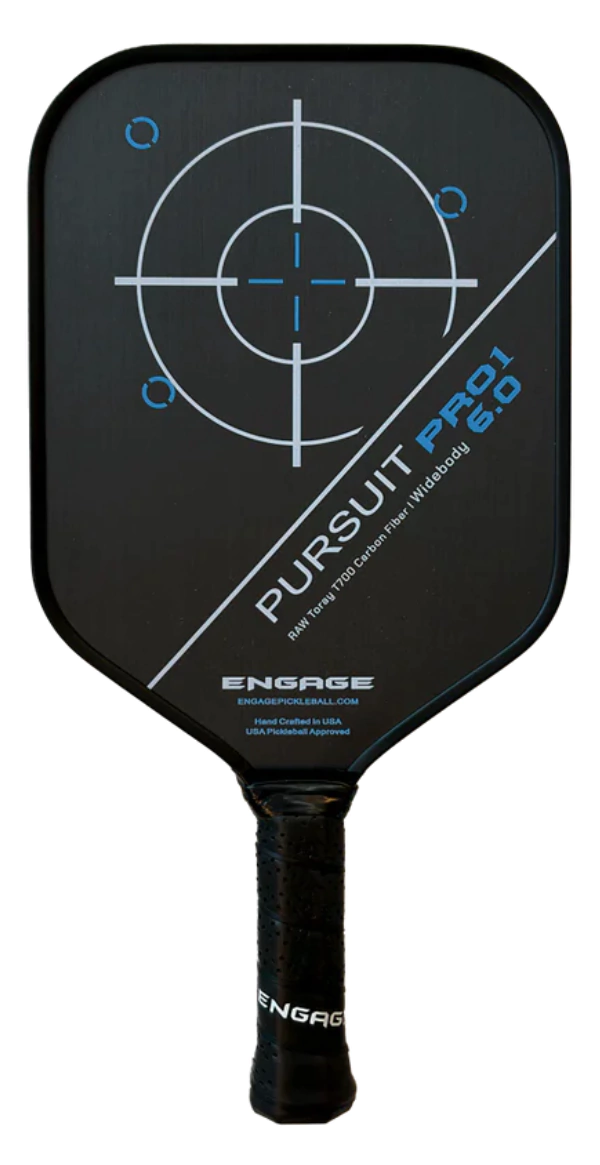
 · Pickleball
Pursuit Pro1 Widebody 15.2mm Pro1 6.0 Engage
- Weight
- 8 oz
- Core
- 15.2 mm
- Face
- Raw Toray T700 carbon


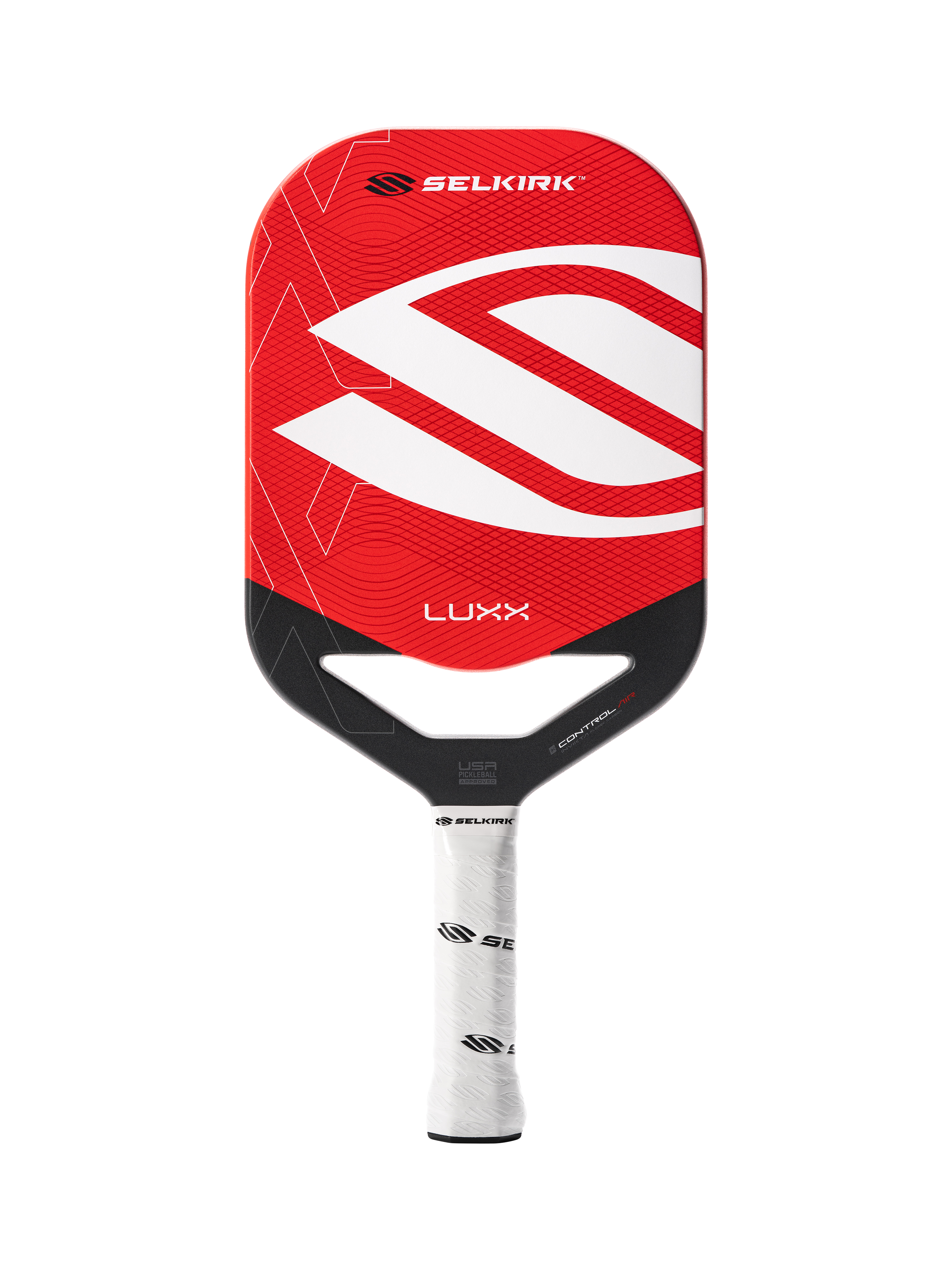


Two curiosities from the list. The Onix Evoke Premier Raw Carbon is sold, according to the brand, in four thicknesses of the same model: 10, 12, 14 and 16 mm, which lets you choose by core alone. And the 14.3 mm Paddletek Bantam GTO-C uses a large-cell honeycomb cold-pressed with QRT technology, the brand's most powerful: a reminder that the type of honeycomb matters too, not just the thickness.
Myths and facts about the core
"A thicker core makes the paddle heavy." Mostly a myth. As the lines above show, the difference between 14 and 16 mm is between 0 and 0.2 oz. Weight comes much more from the face, the edge and the handle.
"A thin core always gives more power." It depends. Between two identical paddles, yes. Between different constructions, no: a 16 mm thermoformed paddle with foam walls can come out livelier than a traditional pressed 14 mm. Compare thickness within the same construction.
"16 mm is for beginners." Myth. Several professionals' signature paddles come in 16 mm, like the Perseus Pro V Ben Johns 16MM, listed on the spec sheet for advanced and competitive levels. 16 mm is popular because doubles pickleball is decided at the kitchen.
"The rules limit thickness." Myth. USA Pickleball rule 3.D.2 says there is no thickness restriction. What the organization limits is power, with a coefficient-of-restitution test between paddle and ball. In practice, this weighs more on thin cores. That is why, before buying a very thin paddle for tournaments, you should check that the exact model is on the official approved list. The details are in USA Pickleball paddle rules.
"A 19 or 20 mm core has no exit speed at all." An exaggeration. The second generation of the Selkirk LUXX Control Air Invikta went from 20 to 19 mm and, according to the spec sheet, came out a little livelier than the 2023 version, without losing the soft touch. It is the choice for players who want maximum control, not a "dead" paddle.
Signs you have the wrong thickness
Core too thin for your game:
- the dink comes out high or long even with a short motion;
- the transition reset flies past the kitchen and becomes an attacking ball for your opponent;
- you "smash" the ball on counterattacks that should only be placed;
- on the block, the ball comes back hard and high.
Core too thick for your game:
- your baseline drives lack depth and arrive easy for your opponent;
- you need a long swing to finish high balls that should be easy;
- your arm tires more late in the match, because you compensate for the lack of exit speed with force;
- your opponent blocks your attacks effortlessly.
If you recognize yourself in both groups, the middle ground of 14 to 15 mm usually solves it.
How to choose your thickness in four questions
- Do you play more doubles or singles? Doubles pull toward 16 mm; singles toward 14 mm or less, because the baseline game weighs more.
- Is your strength the kitchen or the drive? Kitchen, 16 mm. Drive and counterattack, 13 to 14 mm.
- Do you generate speed on your own? Players with a fast swing take advantage of the control of the 16 mm. Those who rely on the paddle to supply speed miss the pop.
- Is the paddle thermoformed or foam? If so, you can go up a step in thickness: a 16 mm thermoformed paddle already delivers the pop you'd look for in a pressed 14 mm.
If you're still in doubt, the guide to how to choose a pickleball paddle covers the other measurements, like weight and handle, and Find Your Paddle matches your answers to the catalog. To see two candidates side by side, use the pickleball comparison tool.
Frequently asked questions
What is the best core thickness for a pickleball paddle?
For most doubles players, 16 mm, because it gives control on the dink and the reset and stability on the block. Players who attack a lot from the baseline or play singles may prefer 13 or 14 mm. There is no absolute best: the thickness has to match your game and the paddle's construction.
14 mm or 16 mm pickleball paddle?
The 14 mm has more pop and speed on counterattacks; the 16 mm dampens more and forgives more off-center. In the lines that sell both versions, like the JOOLA Perseus Pro V and the Six Zero Double Black Diamond, the weight difference is 0 to 0.2 oz, so the choice is about style, not weight.
Is a 13 mm core good for a beginner?
Generally, it's not ideal. The ball leaves fast and a beginner doesn't yet have the touch to control dinks and resets. A 16 mm core forgives more and helps you learn the short game. Once you've mastered the kitchen, it's worth trying thinner cores.
Is there a thickness limit for pickleball paddles?
No. USA Pickleball rule 3.D.2 says there is no restriction on thickness or weight. What is limited is power, measured in a lab, and that is why some very thin-core models have already been removed from the approved list.
Does a pickleball paddle core lose firmness over time?
It can. Honeycomb cores can give way with heavy use, and the paddle becomes livelier or develops dead spots on the face. Foam cores have no honeycomb and so don't suffer this collapse of the cells. The rules require the paddle to stay within the limits throughout its useful life.
Why do some paddles have 14.3 or 12.7 mm?
They are measurements in inches converted to millimeters. 12.7 mm is half an inch, 14.3 mm is 9/16 of an inch and 15.2 mm is 0.6 of an inch. American brands like Paddletek and Engage tend to use these measurements.
Verdict
Ready-made selections by goal are in the 7 control pickleball paddles and the 10 pickleball paddles with the most spin. To see all of JOOLA's paddles in both thicknesses, open JOOLA pickleball paddles. How the scores are calculated is in the methodology.
Where to buy the racquets in this guide
 Perseus Pro V Ben Johns 16mm JOOLA8.1 oz · 16 mm · Textured carbon fiberSee priceAmazon
 Double Black Diamond Control 14mm Six Zero8.1 oz · 14 mm · T700 carbonSee priceAmazon
 Double Black Diamond Control 16mm Six Zero8.1 oz · 16 mm · T700 carbonSee priceAmazon
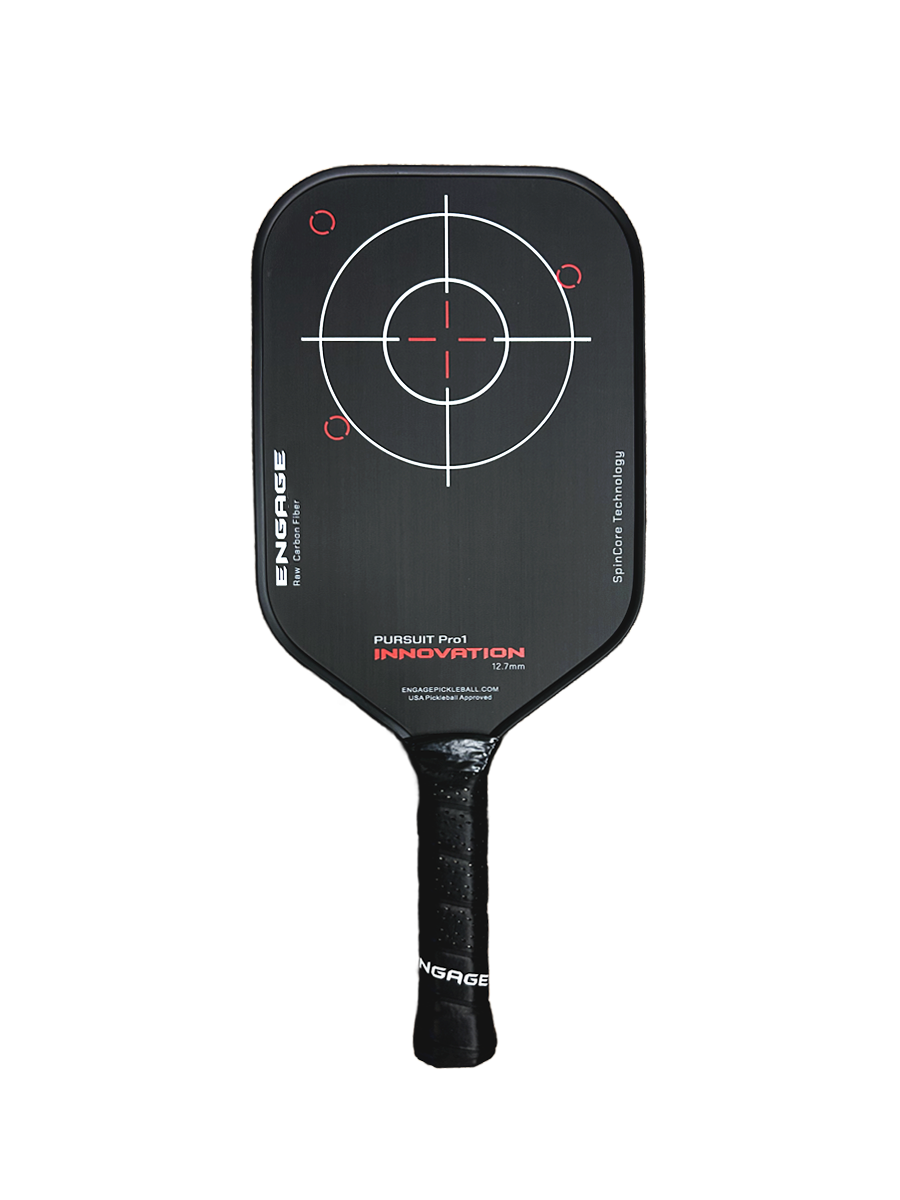 Pursuit Pro1 Innovation 12.7mm Engage8 oz · 12.7 mm · Raw carbon with inner layerSee pricePickleball Paddles
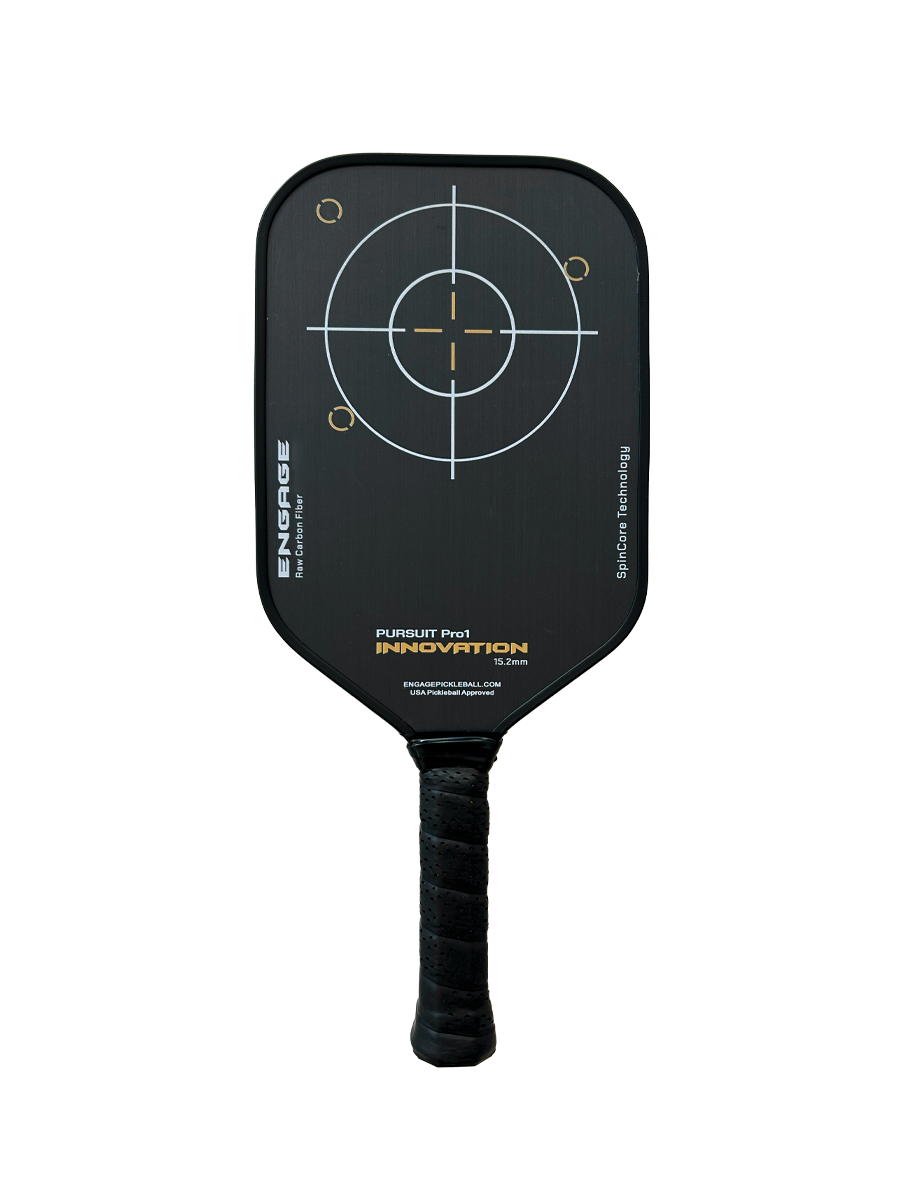 Pursuit Pro1 Innovation 15.2mm Engage7.9 oz · 15.2 mm · Raw carbonSee priceOntario Pickleball Academy
- Bantam GTO-C 14.3mm Paddletek7.9 oz · 14.3 mm · Raw unidirectional Toray T700 carbonSee priceAmazon
- Radical Tour EX 15 HEAD8.6 oz · 15 mm · Raw micro-forged carbonSee priceAmazon
- Pursuit Pro1 Widebody 15.2mm Pro1 6.0 Engage8 oz · 15.2 mm · Raw Toray T700 carbonSee pricePickleball Paddles
- React Kuikma8.3 oz · 16 mm · Carbon fiberSee priceDecathlon
- LUXX Control Air Invikta InfiniGrit Selkirk8.1 oz · 19 mm · Florek carbon fiber with InfiniGritSee priceYumo Pro Shop
The prices above are checked automatically at each store and may have changed since the last check. The price that counts is the one shown on the store's website at checkout. We may earn a commission on purchases made through store links, at no extra cost to you.