


 Brasil
 United States
 United Kingdom
 Australia
 Netherlands
 France
 España
 Italia
 السعودية
10 Best-Value Tennis Racquets: The Best Specs in Every Price Tier
Ten racquets with the best balance of specs and price, from entry-level models to previous-generation versions of flagship racquets, and what changes when you save.
Updated on 2026-10-07
On this page
- 1.How we measure value
- 2.Entry level: what you get and what you give up
- 3.Intermediate tier: where most of the value is
- 4.Previous generations: the best savings shortcut
- 5.Player's racquets for less
- 6.Value by playing level
- 7.Why a high score does not always follow the price
- 8.Where it is not worth saving
- 9.Frequently asked questions
The best-value tennis racquet is not the cheapest one: it is the one that delivers the most complete spec sheet for the price tier it sits in. In this list of 10 best-value tennis racquets, three paths repeat: well-built entry-level models, highly rated intermediate racquets and, above all, previous-generation versions of flagship racquets, which change little from one generation to the next and tend to get cheaper.
The 10 best-value tennis racquets
- 1
- Weight
- 270 g
- Head
- 104 in²
- Strings
- 16x19
- RA
- 55 RA
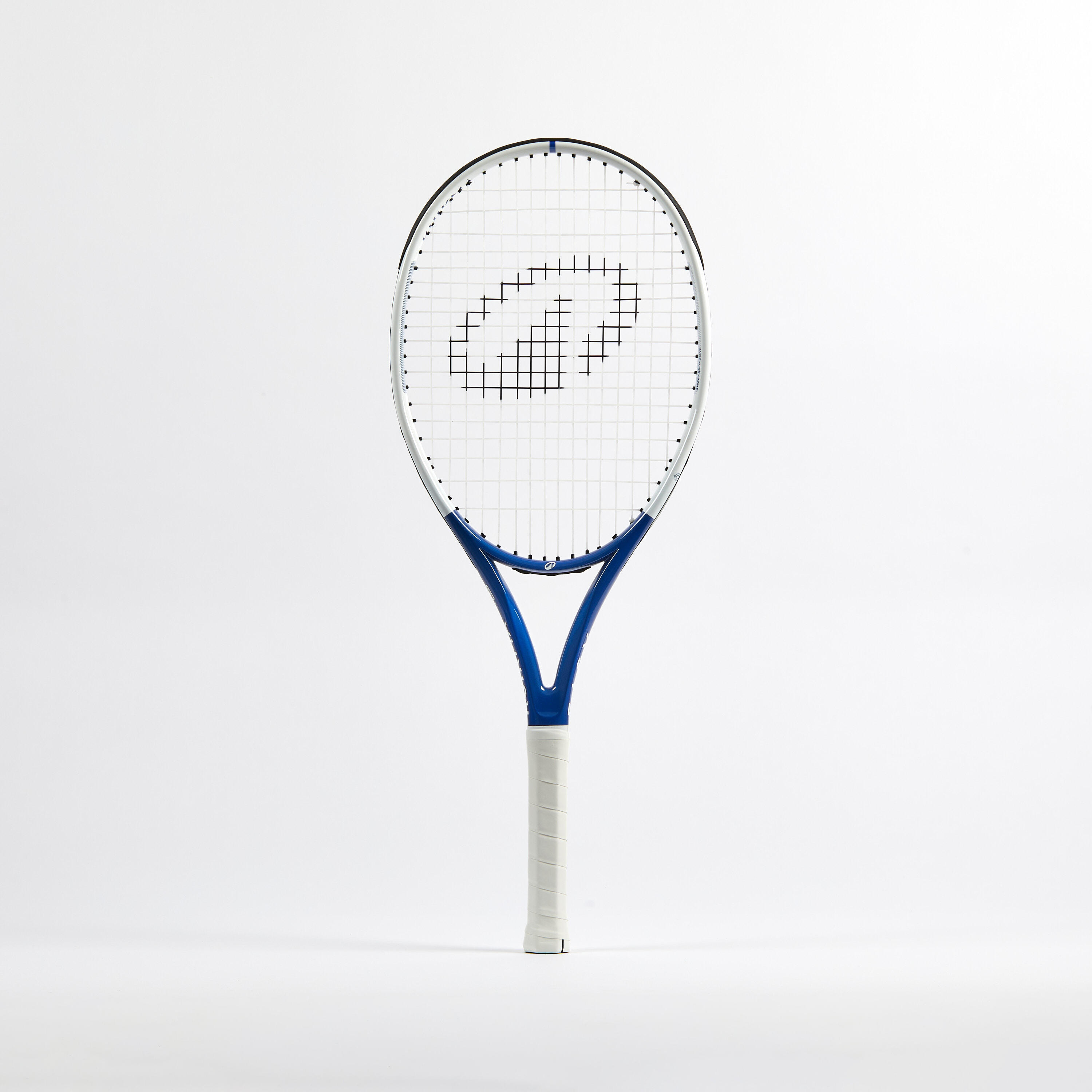
Among the cheapest in the catalog and with a high RR Score for the category. 270 g, 104 sq in, 55 RA and a handle with markings to teach the grip. It is made of fiberglass, so it works for learning, not for keeping up with your progress for many years.
- 2
- Weight
- 315 g
- Head
- 98 in²
- Strings
- 16x19
- RA
- 64 RA
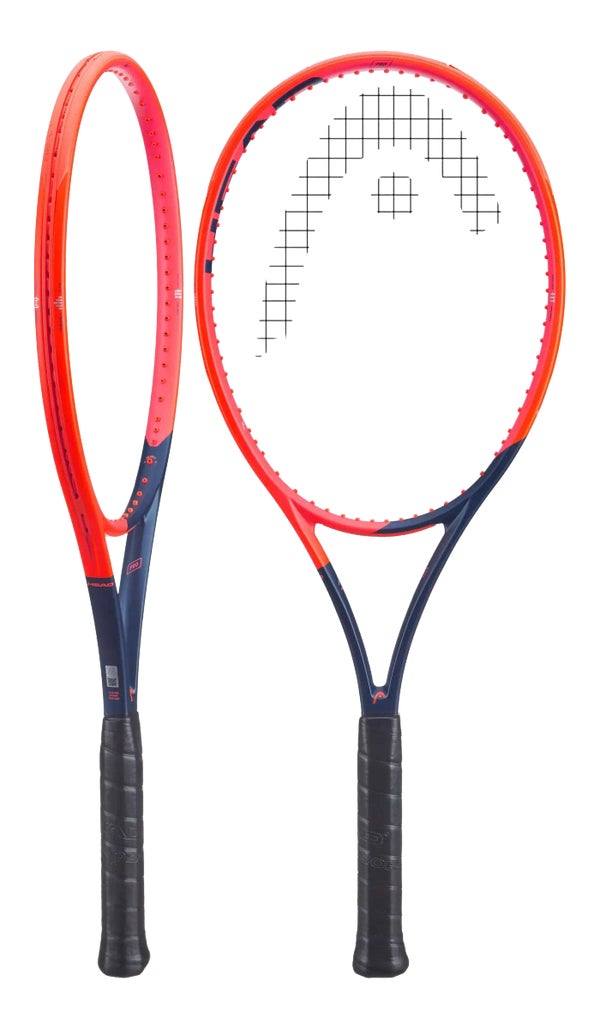
315 g, 98 sq in, 16x19, swingweight of 325 and 64 RA. The 2025 version has a swingweight of 329 and 65 RA, a small difference on court, and usually sits in a price tier well above the 2023.
- 3
- Weight
- 275 g
- Head
- 102 in²
- Strings
- 16x19
- RA
- 59 RA
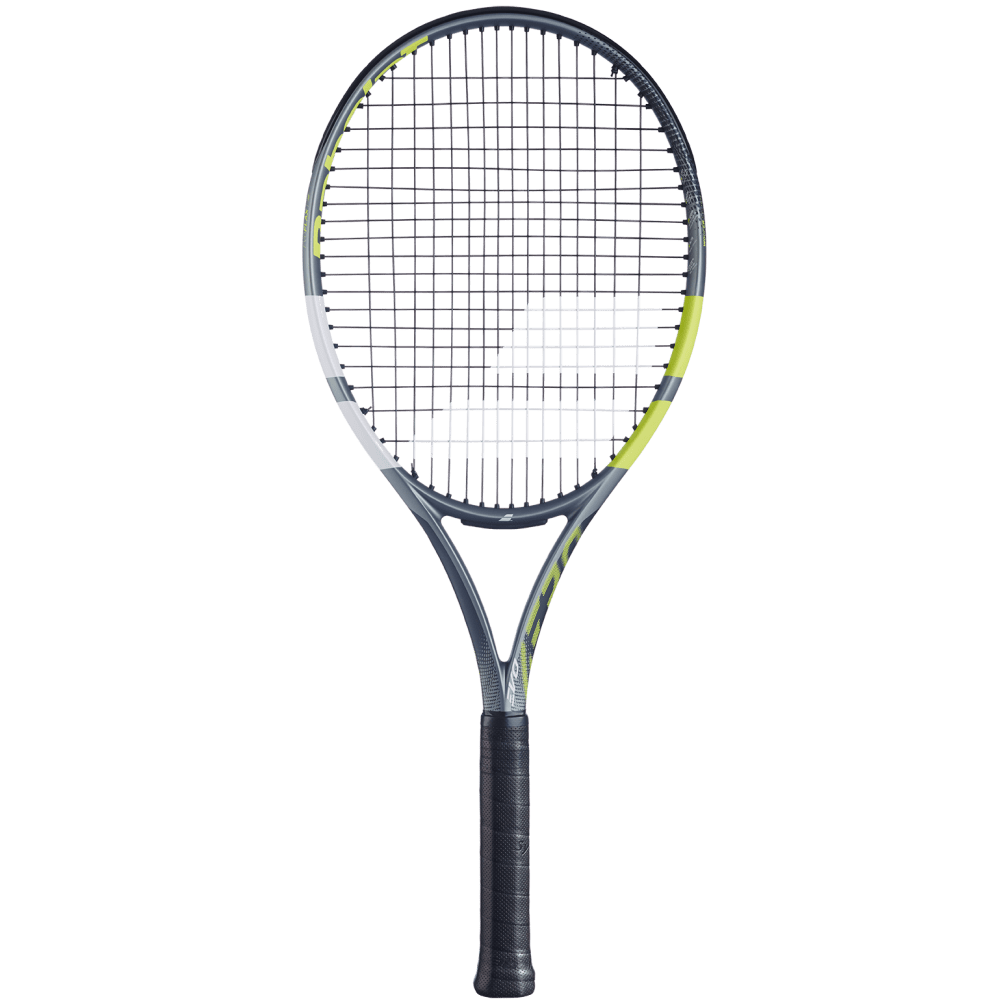
275 g, 102 sq in, a 16x19 pattern and only 59 RA. It comes strung and has the spin profile of the Pure Aero in a simpler construction. A great bridge between the entry-level and intermediate racquet.
- 4
- Weight
- 260 g
- Head
- 105 in²
- Strings
- 16x19
- RA
- 65 RA
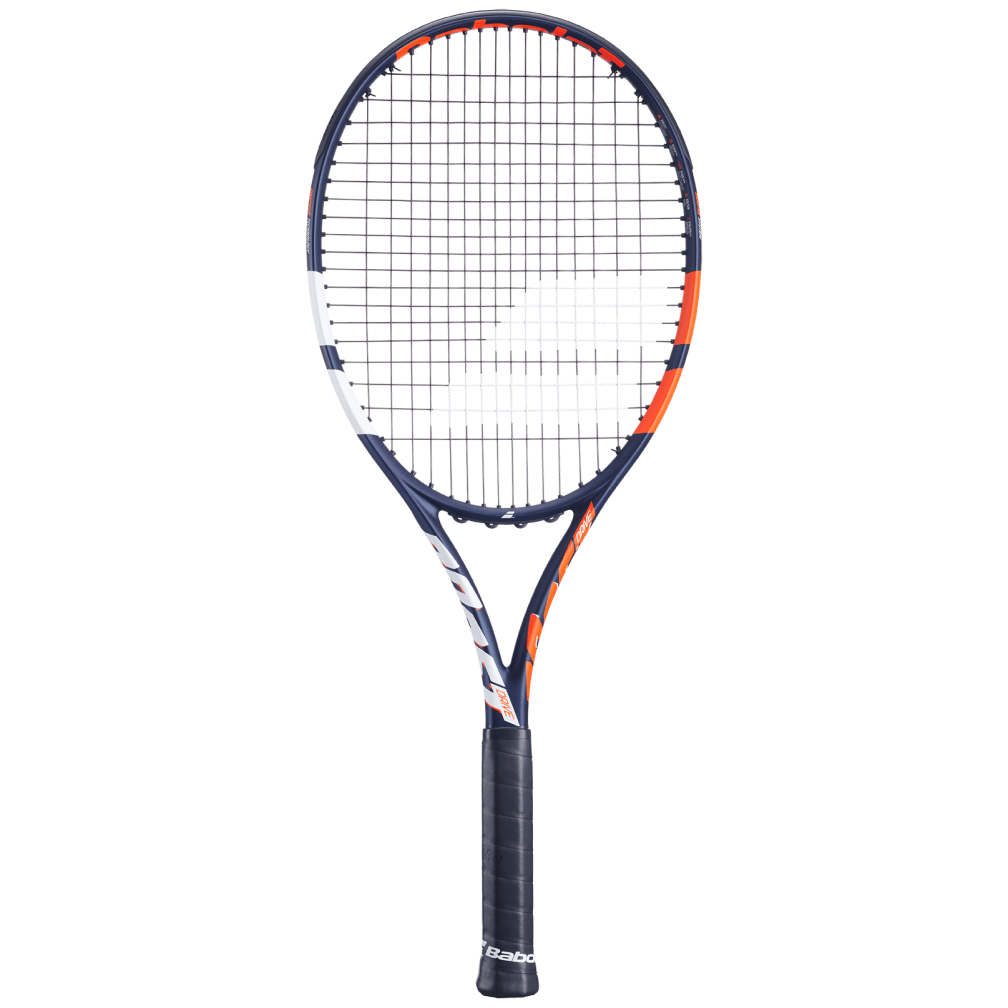
Graphite, 260 g, 105 sq in and 345 mm balance, toward the head, which gives power with a short swing. It already comes strung and sits in an entry-level price tier.









How we measure value
The ranking cross-references three pieces of information for each racquet: the RR Score, which summarizes the specs and performance (the methodology explains the calculation), the reference price range at the stores, and the number of stores that sell the model. Prices change every week, which is why the product blocks show the updated price, and the text talks only in tiers: entry level, intermediate and flagship.
One important point: value depends on your level. A 315 g racquet can have a high score and a low price, but for a beginner it is money down the drain. Use the list within your own level range, and if you do not know which one that is, the Find Your Racquet quiz helps you work it out.
Entry level: what you get and what you give up
The entry-level tier has aluminum racquets, fiberglass ones and some simple graphite ones, almost always strung at the factory. They handle the first months of lessons well. The Kuikma Easy, the Boost Drive and the Blade Feel 103 have the best specs in this tier.
Three paths in the entry-level tier
Highlighted: what differs between the racquets. In bold: the best value in the row.
The Kuikma Easy is the softest (55 RA) and the easiest for someone who has never played, but it is fiberglass. The Boost Drive is graphite, lighter (260 g) and head-heavy, which gives power without effort. The Blade Feel 103 is the most control-oriented, with a 16x20 pattern. To compare entry-level racquets in more detail, see the best tennis racquets for beginners.
What you lose with cheaper racquets
| Item | Cheaper racquet | Intermediate or flagship racquet | Effect on court |
|---|---|---|---|
| Material | Aluminum or fiberglass | Graphite with reinforcements | Less feel and more vibration in the cheaper ones |
| Weight and balance | Light, with mass in the head | 285 to 315 g, light handle | Easy power at first, little stability later |
| String | Basic factory string | Bought unstrung, you choose | Factory string loses tension quickly and gives little control |
| Specs | Often no RA or swingweight | Complete measurements | Hard to compare and to predict the feel |
| Grips | Few sizes | L1 to L4 or more | Better chance of getting the grip right |
| Lifespan | Lasts the first few months | Lasts years of progress | The cheap racquet becomes a backup racquet early |
The hidden cost shows up when the player improves quickly: within six months the entry-level racquet becomes limiting, and the money saved goes toward a second purchase. If you already know you will play often, a light intermediate racquet, such as the Evo Aero 2026, can come out cheaper in the long run.
Intermediate tier: where most of the value is
Between entry level and flagship are the racquets with the best relationship between specs and price. The Pure Strike 100 16x20 and the Blade 104 V9 lead the list because they combine a high RR Score, complete specs and a price below equivalent racquets released more recently.
The Pure Strike 100 16x20 is the choice for the intermediate player who wants control without the demands of a 98 head. The Blade 104 V9 is for those who play doubles, want reach on the serve or are returning to tennis and need a bigger hitting area. Both use a relatively open pattern and are comfortable on the arm.
The Evo Aero 2026 deserves attention from anyone moving up from an entry-level racquet. With 275 g, 102 sq in and 59 RA, it is softer than most intermediate racquets and already comes strung, which lowers the initial cost. The swingweight of 307 gives a bit more ball weight than the 275 g suggests. It is a racquet to play with for two or three years before thinking about a 300 g one.
Previous generations: the best savings shortcut
Tennis racquets change little from one generation to the next. Often the new version brings different paint, a material tweak and differences of a few points in swingweight or stiffness. While stock lasts, the previous generation usually sits in a lower price tier.
Radical Pro 2023 vs. Radical Pro 2025
Highlighted: what differs between the racquets. In bold: the best value in the row.
Same weight (315 g), same head (98 sq in), same pattern (16x19), same balance (324 mm) and same beam profile. The 2025 has a swingweight of 329 versus 325 and 65 RA versus 64. The RR Score of the two is the same, 71. For most players, this difference is smaller than the variation between two units of the same racquet.
Both have 310 g, 100 sq in and an 18x20 pattern. The 2024 has a swingweight of 333 and 60 RA; the Legend 2025, 328 and 61 RA. The previous version comes out with a slightly higher RR Score (78 versus 77).
Precautions when buying a previous version
- Check the available grip. At the end of a stock run, the most common sizes sell out first.
- Confirm it is new, not used. Old versions circulate a lot on the used market, such as the Pure Drive 2018 and the Ezone 100 2020, which still show up in stores.
- Do not go back too far. Two or three generations back, the frame can have real differences in stiffness and feel. The Pure Drive 2018 has 72 RA, firmer than the current one.
- Compare the specs, not the name. Use the tennis racquet comparison tool to see whether the generations are really similar.
Player's racquets for less
For advanced players, value shows up in heavy racquets that are no longer new releases. The Shift 99 Pro and the Pure Strike 98 16x19 Gen3 are among the player's racquets with the lowest price tier in the catalog. The Pro Staff 97 v14 is another option in this tier, but with 72 RA, quite firm.
If your focus is pure control, the list of tennis control racquets for advanced players goes deeper into the options with an 18x20 pattern.
Value by playing level
| Level | Best pick from the list | Alternative | Why this one |
|---|---|---|---|
| Just starting, group lessons | Kuikma Easy | Wilson Blade Feel 103 | Forgiving, light and entry-level tier |
| Beginner who plays every week | Babolat Evo Aero 2026 | Babolat Boost Drive 2025 | Graphite, pre-strung, keep up with progress |
| Intermediate | Babolat Pure Strike 100 16x20 | Wilson Blade 104 V9 | High score and complete specs below recent releases |
| Advanced control player | Head Speed Pro 2024 | Wilson Shift 99 Pro V1 | Previous-generation player's racquets |
| Complete advanced player | Head Radical Pro 2023 | Babolat Pure Strike 98 16x19 Gen3 | Same specs as the new version, in a lower price tier |
The table follows the idea of buying the best racquet for your level, not the best racquet in the catalog. An intermediate player who buys a 315 g racquet because it was cheap tends to play worse than with a Blade 104, and with more effort.
Why a high score does not always follow the price
The price of a racquet reflects the launch timing and the marketing more than the specs. The new racquet arrives at full price, and the previous one, with almost identical specs, starts competing with it for space. Brand also matters: highly sought-after lines hold their price longer. Store brands from sporting goods chains, such as Kuikma, from Decathlon, usually sit in lower price tiers.
That is why the RR Score is useful for comparing: it looks at the specs and not at the price tag. Two racquets with a similar score and very different prices are a clear sign of an opportunity. On each racquet's page, the offers block shows the updated prices at the tracked stores, and it is worth checking more than once, because end-of-stock promotions change fast. The brand pages, such as Head racquets and Wilson racquets, gather all the generations of each line so you can see which one is still on sale.
Where it is not worth saving
Some savings turn out expensive:
- Wrong grip. Buying the racquet on sale in a grip that is not yours forces you to compensate with an overgrip or to change racquets. The grip size guide teaches you how to measure.
- String. An intermediate racquet with old factory string plays worse than a well-strung entry-level one.
- Weight above your level. A cheap player's racquet is the worst purchase for someone without the strokes for it.
- A stiff, light racquet for someone whose arm hurts. If that is your case, see the tennis racquets for tennis elbow.
Frequently asked questions
What is the best-value tennis racquet?
It depends on your level. For beginners, the Kuikma Easy and the Babolat Boost Drive 2025 have the best specs in the entry-level tier. For intermediate players, the Babolat Pure Strike 100 16x20 and the Wilson Blade 104 V9. For advanced players, previous versions such as the Head Speed Pro 2024 and the Head Radical Pro 2023.
Is it worth buying the previous version of a racquet?
In most cases, yes. The differences between generations are usually small, and the previous version tends to get cheaper while stock lasts. Compare the specs of the two first and confirm that the grip you use is available.
Does a cheap tennis racquet ruin your arm?
Not necessarily, but very light, stiff racquets with mass in the head transmit more shock. For those who already feel pain, it is worth prioritizing low stiffness and moderate weight, and seeing a health professional.
Is an aluminum racquet good for starting out?
It works for the first months and for group lessons. If you plan to play often, a light graphite racquet keeps up with your progress for longer.
To see all racquets with updated prices and filter by price tier, go to the tennis racquet catalog.
Where to buy the racquets in this guide
- Easy Kuikma270 g · 104 in² · 16x19See priceDecathlon
- Radical Pro 2023 HEAD315 g · 98 in² · 16x19See priceAmazon
- EVO Aero 2026 Babolat275 g · 102 in² · 16x19See priceTenniszon
- Boost Drive 2025 Babolat260 g · 105 in² · 16x19See priceAmazon
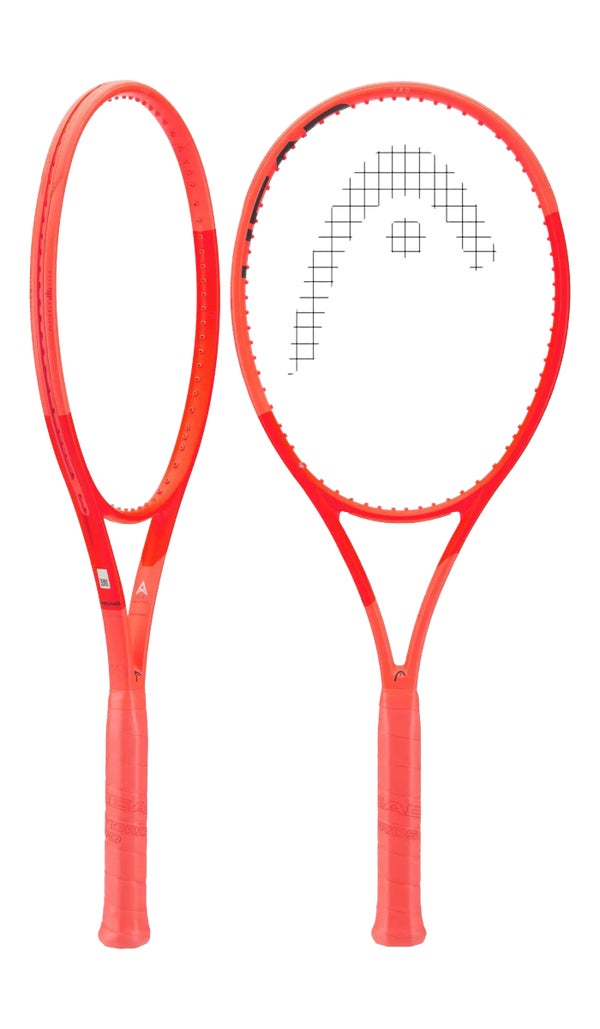 Radical Pro 2025 HEAD315 g · 98 in² · 16x19See priceAmazon
The prices above are checked automatically at each store and may have changed since the last check. The price that counts is the one shown on the store's website at checkout. We may earn a commission on purchases made through store links, at no extra cost to you.